2026 Best Diy Ultrasonic Welder for Global Buyers Guide?
In the realm of crafting and manufacturing, a Diy Ultrasonic Welder stands out as a versatile tool. It offers immense benefits for both hobbyists and professionals. With the right knowledge, users can create strong and precise welds, important for many projects.
However, choosing the best model can be daunting. The market is flooded with various options, each with its unique features. Understanding these nuances is crucial. This guide aims to bridge that gap, providing insights into the best 2026 Diy Ultrasonic Welders available. We will delve into key factors, like power, frequency, and ease of use.
Additionally, recognizing potential limitations is vital. Not every model suits every user. Mistakes can happen, like selecting a welder that lacks essential features. Therefore, reflecting on personal needs is necessary before making a purchase. A well-informed decision can enhance the crafting experience and yield superior results.
Understanding Ultrasonic Welding Technology and Its Applications
Ultrasonic welding is a fascinating technology that has gained popularity across various industries. This method utilizes high-frequency sound waves to create strong bonds between materials. It is commonly used in plastics, metals, and even textiles. The process is efficient and reduces the need for additional adhesives, making it an eco-friendly option.
Understanding the underlying principles of ultrasonic welding helps in appreciating its applications. The technology works by applying ultrasonic vibrations to the surfaces of the materials being joined. This causes the surfaces to soften and meld together under pressure. Precision is crucial here; even minor variations in amplitude can affect the integrity of the weld.
However, challenges do exist. Not all materials are suitable for ultrasonic welding. The thickness and type of materials can influence the outcomes. In some cases, the process may not achieve the desired strength. Analyzing these factors is essential for optimizing results. Engaging with experts in ultrasonic welding can provide valuable insights and enhance reliability in production. Knowledge sharing among professionals leads to continuous improvement in techniques and applications.
Key Features to Consider When Choosing a DIY Ultrasonic Welder
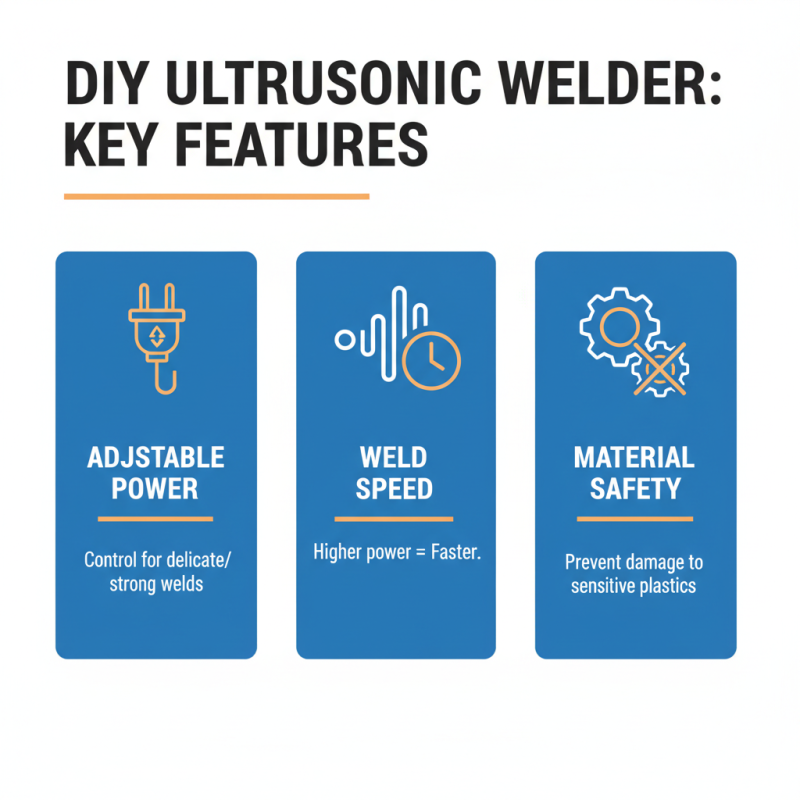
When choosing a DIY ultrasonic welder, several key features should guide your decision. One essential aspect is power output. A welder with adjustable power settings allows for better control over welding performance. Higher power means faster welding. However, too much power can damage sensitive materials.
Another important feature is frequency. Ultrasonic welding typically operates at 20 kHz or 40 kHz. A higher frequency results in finer welds, but it may not handle thicker materials effectively. Ensure that the frequency aligns with the materials you plan to work with.
Tips for selecting a DIY welder: Pay attention to the weight and design. A lightweight, portable unit can help you work more effectively in various locations. Additionally, consider the ease of use. Complicated machines might lead to frustration, while user-friendly designs promote better results.
Reflect on your specific needs. Are you working on small repairs or larger projects? Your answer will guide your choice. Lastly, always check for reliability. A well-reviewed machine from a reputable source is worth the investment. There may be trade-offs, but understanding features can lead to informed decisions.
Top 2026 Ultrasonic Welder Models for Global Buyers
Ultrasonic welding technology has revolutionized manufacturing processes across various industries. It is especially vital for applications in automotive, electronics, and medical devices. According to industry reports, the ultrasonic welding market is projected to reach USD 7.2 billion by 2026, growing at a CAGR of 5.5%. This growth reflects the increasing demand for precise and reliable joining techniques.
In selecting the best ultrasonic welder model for global buyers in 2026, several factors should be considered. The efficiency of the machine is critical. Many models now feature advanced frequency control, enhancing their performance in diverse materials like plastics and metals. Also, ease of operation is becoming essential. Operators need to feel confident working with sophisticated tools, as training gaps can lead to inefficiencies.
Some models are noted for their lightweight designs and portability, making them preferred in smaller production environments. However, reliability remains a concern. Questions about the longevity of specific parts and maintenance needs are common. Buyers should critically assess maintenance schedules and part longevity in their decision-making. As the market evolves, analyzing user feedback will help pinpoint which models truly deliver on their promises.
2026 Ultrasonic Welder Performance Comparison
Maintenance Tips for DIY Ultrasonic Welders
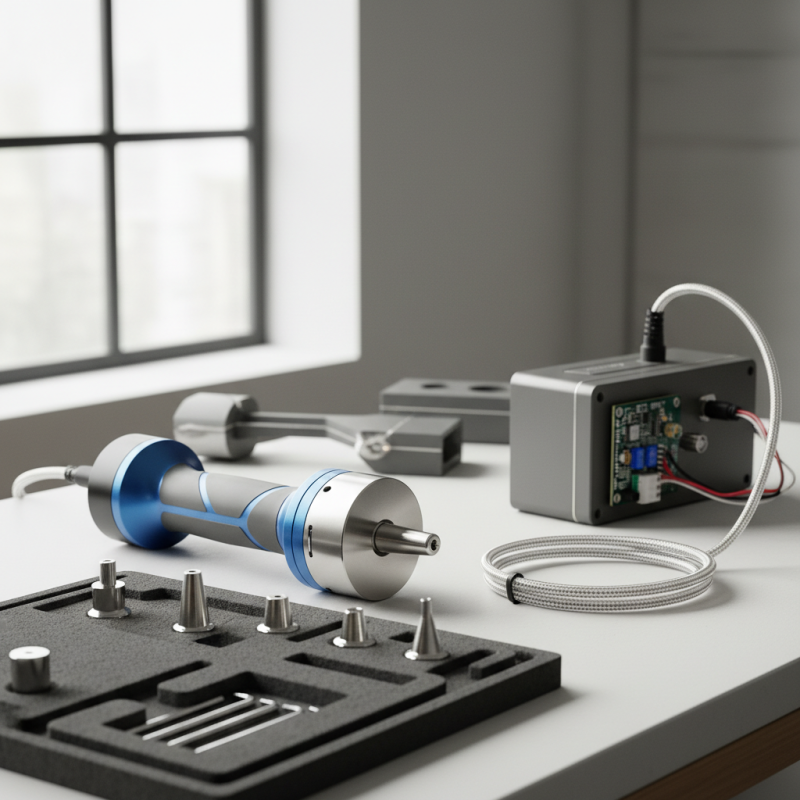
Maintaining a DIY ultrasonic welder requires diligence and attention. Regularly inspect the ultrasonic transducer. Look for signs of wear or damage. Replacing worn parts can prevent malfunctions during critical tasks. Clean the sonotrode after each use. This prevents residue buildup that can affect performance. A simple wipe with a non-abrasive cloth helps.
Keep the welder’s power supply stable. Fluctuations can lead to inconsistent results. It may be useful to invest in a quality surge protector. Check connections regularly. Loose wires can cause serious issues. Document any changes or repairs you make. This will help you track performance over time.
Consider the environment where you use the welder. Extreme heat or humidity can affect its functionality. Ensure proper ventilation to cooldown equipment during long sessions. Reflect on your usage patterns. Are there areas where you could improve? Take notes on what works and what does not. By staying aware, you can keep your ultrasonic welder running smoothly and efficiently.
2026 Best DIY Ultrasonic Welder for Global Buyers Guide - Maintenance Tips for DIY Ultrasonic Welders
| Model |
Power (W) |
Frequency (kHz) |
Max Weld Thickness (mm) |
Price Range ($) |
Maintenance Tips |
| Model A |
200 |
40 |
3 |
150-200 |
Clean regularly; check connections |
| Model B |
300 |
28 |
5 |
250-300 |
Lubricate transducer; inspect regularly |
| Model C |
500 |
20 |
8 |
400-450 |
Replace worn parts; perform calibration |
| Model D |
400 |
35 |
6 |
350-400 |
Keep clean; use quality materials |
Safety Precautions for Using Ultrasonic Welding Equipment
When using ultrasonic welding equipment, safety precautions are crucial. In the industry, around 20% of accidents involve improper handling of equipment.
Safety gear is essential. Operators should wear eye protection and gloves. This gear reduces injury risks significantly, as molten materials can splatter unexpectedly during the welding process.
Training is another key aspect. Operators should be trained in both the equipment functionality and safety protocols. According to a report by the National Institute for Occupational Safety and Health, proper training can lower workplace accidents by up to 30%.
Regular maintenance of machinery also plays a role. Equipment should be inspected frequently to ensure all safety features are functioning.
Noise levels can pose risks as well. The ultrasonic welding process generates high-frequency sounds. Exposure to these noise levels can lead to hearing loss over time.
Therefore, employers must provide hearing protection for workers. Understanding the hazards linked to ultrasonic welding is vital. Continuous awareness and a proactive approach can help maintain a safe working environment.