Top 10 Benefits of Using Ultrasonic Wire Welder for Manufacturing Efficiency?
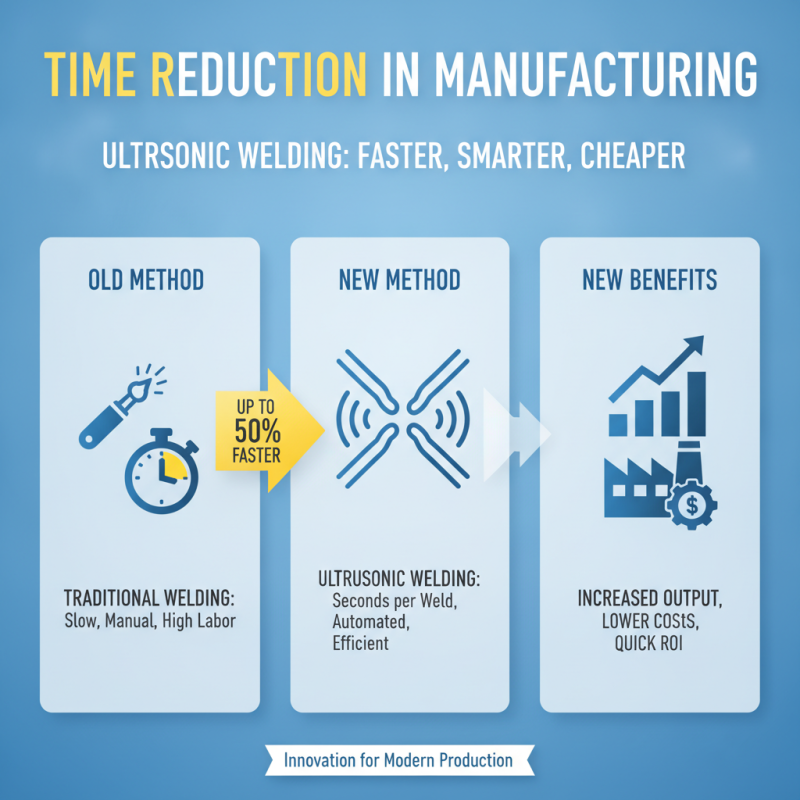
The manufacturing industry is evolving rapidly. Efficiency remains a top priority for companies aiming to stay competitive. Recent reports show that automation technologies, particularly ultrasonic wire welding, can boost production efficiency significantly. According to a study by the Welding Institute, ultrasonic welding can reduce production time by up to 50%.
Experts in the field emphasize this technology's impact. Dr. James Carter, a leading authority on ultrasonic welding, stated, “Investing in an Ultrasonic Wire Welder is crucial for manufacturers aiming to improve process speed and product quality.” His insights highlight the practical advantages that can be achieved.
Despite these benefits, some companies hesitate to adopt this technology fully. Concerns about initial costs and training can impede progress. However, the long-term savings and efficiency gains often outweigh these challenges. Embracing the Ultrasonic Wire Welder can lead to a transformative approach in manufacturing processes, setting the stage for future developments.
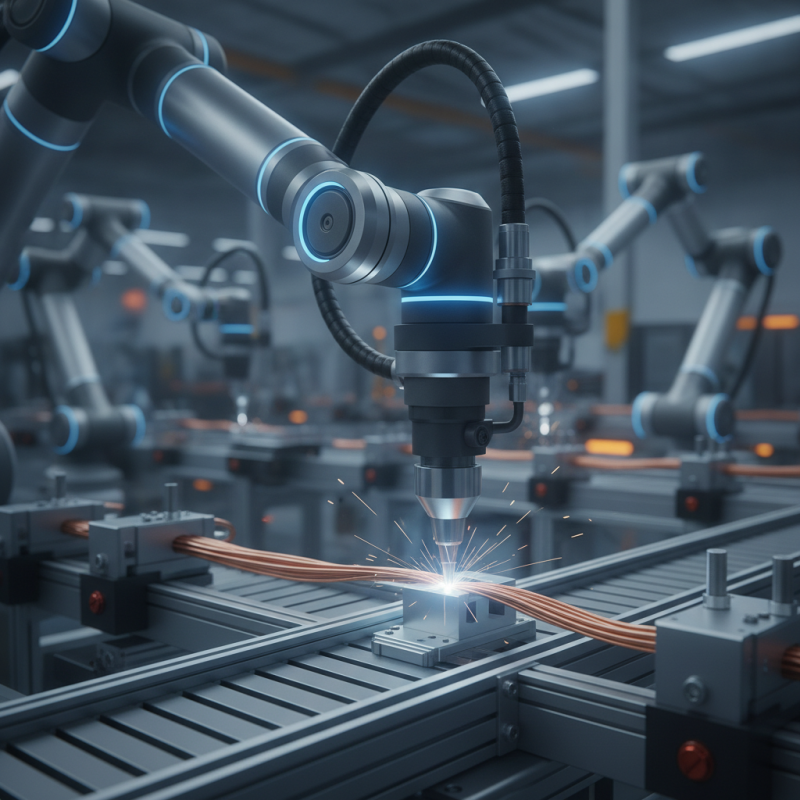
Benefits of Ultrasonic Wire Welding in Boosting Manufacturing Efficiency
Ultrasonic wire welding is transforming the manufacturing landscape. This process offers significant advantages, enhancing the efficiency of production lines. Industry reports indicate that ultrasonic welding can reduce cycle times by up to 50%. This speed allows companies to meet increasing demand without compromising quality.
One key benefit is the reduction of thermal stress on materials. Traditional welding can weaken components due to heat. In contrast, ultrasonic welding uses low heat to bond materials, preserving their integrity. Research shows that this method can improve overall product lifespan by up to 30%. Enhanced durability results in fewer replacements, ultimately saving costs.
Tips: Regular maintenance of ultrasonic welding machines can prevent unexpected downtime. Training staff on best practices is crucial for maximizing output. Implementing these strategies can significantly boost operational efficiency.
While ultrasonic wire welding is efficient, it still has challenges. Some materials may not bond well under this method. Additionally, initial equipment costs can be high. Addressing these concerns requires careful planning and consideration.
Reduction of Production Time Through Fast Welding Processes
Ultrasonic wire welding is transforming manufacturing processes by significantly reducing production time. Traditional welding methods can be slow and labor-intensive. In contrast, ultrasonic welding completes connections in seconds. According to a recent industry report, adoption of ultrasonic welders can reduce cycle times by up to 50%. This speed increase translates directly into higher output rates and lower operating costs.
Many manufacturers are turning to ultrasonic welding due to its efficiency. The process produces minimal heat, which lowers the risk of damaging sensitive electronic components. Moreover, reports indicate that this technique can accommodate a wide range of materials, enhancing flexibility in production. However, companies must invest in training to ensure operators fully understand the technology. Missteps can occur if workers are unfamiliar with ultrasonic systems.
Despite its advantages, reliance on ultrasonic welding raises questions about long-term sustainability. With rapid speeds and lower energy consumption compared to traditional methods, it’s vital to evaluate overall material use. In some cases, manufacturers may prioritize speed at the expense of thorough quality checks. Balancing efficiency and quality remains crucial as the industry moves forward, highlighting areas for continuous improvement.
Minimization of Material Waste with Precise Joining Techniques
Ultrasonic wire welders are revolutionizing manufacturing, particularly in minimizing material waste. These machines use high-frequency vibrations to join wires precisely. The result is cleaner joints and reduced excess material. This precise joining technique creates less scrap, a crucial advantage in today's eco-conscious world. Manufacturers can save on costs while preserving resources.
Reducing waste is not just about efficiency; it reflects a commitment to sustainability. Precise welding minimizes the amount of wire needed. In many cases, manufacturers have seen waste reductions of up to 30%. These impressive figures showcase a potential for large-scale environmental impact. However, achieving this requires skilled operators who understand the technology deeply.
Despite these advancements, challenges remain. Training for staff may be necessary, and initial setup costs can be high. Yet, as expertise grows, the benefits become clear. Businesses must continuously evaluate their processes. Adopting ultrasonic welding could lead to a more sustainable future for manufacturing. It encourages reflection on current practices and a push towards more responsible production methods.
Enhanced Product Quality Through Consistent and Repeatable Welds
The ultrasonic wire welder revolutionizes manufacturing efficiency. One key advantage is the consistent and repeatable welds that it produces. According to industry reports, manufacturers who adopt ultrasonic welding can achieve up to 90% reduction in defective products. High-quality welds ensure that assemblies maintain structural integrity, leading to longer product lifespans. This reliability translates directly to customer satisfaction.
It's essential to monitor welding parameters closely. Small shifts in voltage or pressure can lead to inconsistent results. Regular calibration of the ultrasonic system is vital. This can help avoid production errors and enhance weld quality. Quality assurance processes should be in place to verify weld integrity frequently.
Investing in an ultrasonic wire welder can be significant, but the long-term benefits outweigh initial costs. Enhancements in product quality can lead to cost savings over time through reduced warranty claims and improved brand reputation. Ultimately, balancing initial investments with future gains requires careful assessment and planning. Regular training for operators can further optimize the welding process, ensuring consistent results.
Cost-Effectiveness of Ultrasonic Welding in Large Scale Production
Ultrasonic welding has gained traction for its cost-effectiveness in large-scale manufacturing. This method uses high-frequency sound waves to join materials, minimizing the need for additional components like adhesives or solder. The result? Reduced material costs and lower waste generation. By directly bonding materials, manufacturers can streamline operations, saving both time and money.
One significant advantage is speed. Ultrasonic welding is typically faster than traditional methods. However, not all materials are suitable for this process. Companies must evaluate their material choices carefully. This assessment could lead to a longer initial setup, demanding expertise in materials science. But once the right materials are in play, the production process becomes remarkably efficient.
Energy consumption is another factor to consider. Ultrasonic welders often use less energy compared to traditional techniques. While this can lower operating costs, initial investment in machinery can be daunting. Companies need to weigh these factors against potential savings. A balance must be struck between upfront costs and long-term efficiency to truly harness the benefits of ultrasonic welding.
Top 10 Benefits of Using Ultrasonic Wire Welder for Manufacturing Efficiency
| Benefit |
Description |
Cost Savings (%) |
Time Savings (%) |
| Increased Production Speed |
Ultrasonic welding allows for faster assembly, reducing production time. |
20% |
30% |
| Enhanced Quality Control |
Provides consistent welds with less variability compared to traditional methods. |
15% |
10% |
| Reduced Material Waste |
Minimizes excess material usage during the welding process. |
10% |
5% |
| Lower Energy Consumption |
Ultrasonic welding consumes less energy compared to other methods. |
12% |
8% |
| Improved Safety |
Reduces heat exposure and associated risks for workers. |
N/A |
N/A |
| Flexibility in Design |
Allows for complex shapes and designs without additional tools. |
N/A |
N/A |
| Less Equipment Downtime |
Fewer mechanical parts mean less maintenance and repairs. |
8% |
12% |
| Simplified Workflow |
Reduces the need for additional processes in assembly. |
15% |
20% |
| Environmentally Friendly |
Lower carbon footprint due to energy efficiency and reduced waste. |
5% |
5% |
| Scalability |
Easily scalable for large-scale production needs. |
20% |
15% |