2026 Best Green Ultrasonic Welder for Efficient Manufacturing?
In the ever-evolving landscape of manufacturing, sustainability is paramount. The demand for energy-efficient solutions grows each year. Among these innovations is the Green Ultrasonic Welder. This technology offers a cleaner, more efficient approach to bonding materials.
Green Ultrasonic Welders utilize ultrasonic vibrations to create strong bonds without the need for adhesives. This method significantly reduces waste and energy consumption. Industries are increasingly turning to these machines for their cost savings and environmental benefits. However, not every model meets the highest standards.
The challenge lies in selecting the best Green Ultrasonic Welder for your needs. With a plethora of options available, it can be overwhelming. Manufacturers should consider various factors, including durability, energy efficiency, and ease of use. Drawing on experience and industry knowledge will guide businesses toward the most reliable choices.
2026 Overview of Green Ultrasonic Welding Technology in Manufacturing
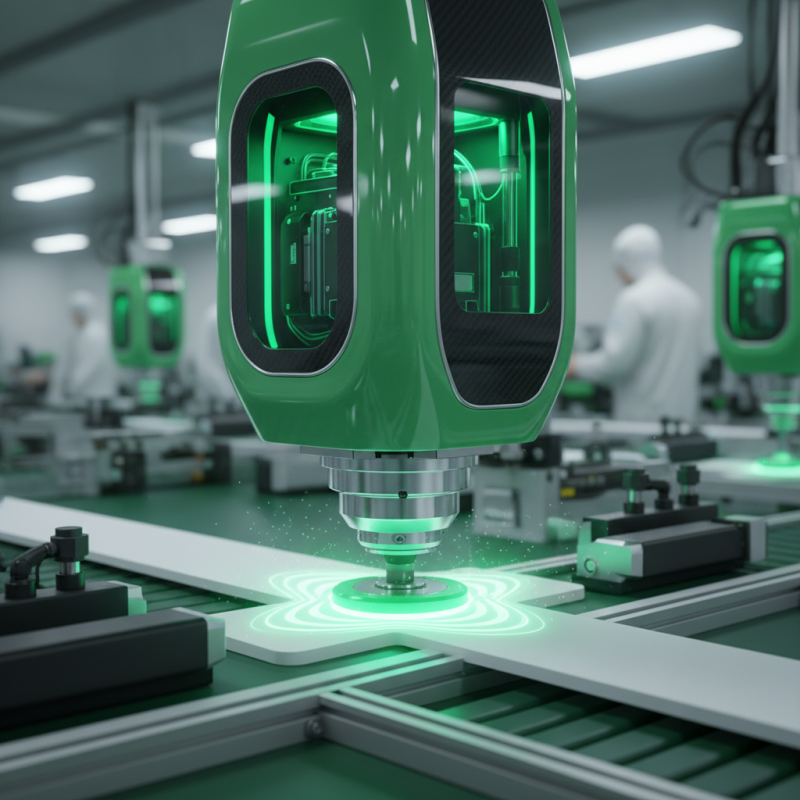
Green ultrasonic welding technology is transforming the manufacturing sector. This method uses high-frequency sound waves to join materials without harmful emissions. It is energy-efficient, offering a reduced carbon footprint compared to traditional welding techniques. Many manufacturers are adopting it to align with sustainable practices. This shift reflects growing consumer demand for eco-friendly processes.
Despite its advantages, challenges remain. Not all materials are suitable for ultrasonic welding. Engineers often face difficulties in optimizing parameters for different fabric types. Some manufacturers may hesitate due to initial setup costs. Nonetheless, the long-term benefits often outweigh these obstacles. Effective training is crucial for ensuring proper implementation and maximizing productivity.
Innovations in this field continue to evolve. Research is focusing on expanding the range of materials that can be welded using this technique. As technology advances, manufacturers may find even more efficient applications. The potential for growth in green ultrasonic welding remains significant, contributing to a more sustainable future.
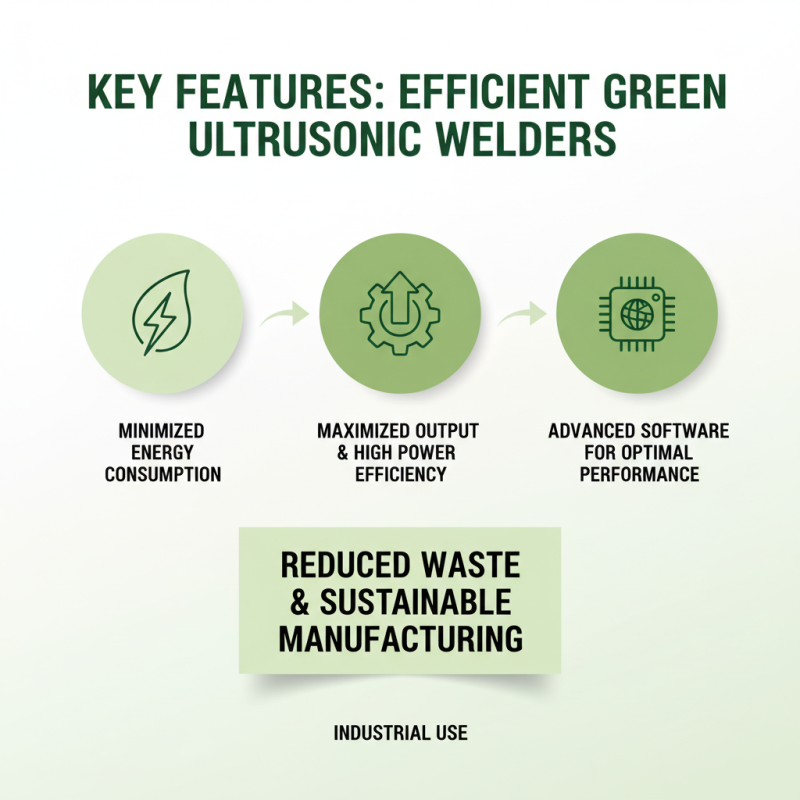
Key Features of Efficient Green Ultrasonic Welders for Industrial Use
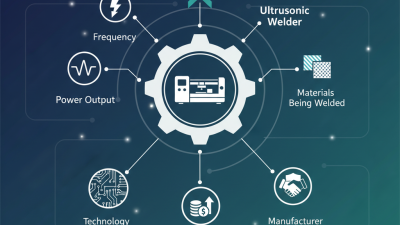
When considering the best green ultrasonic welders for industrial manufacturing, it's essential to focus on their key features. Efficient models minimize energy consumption while maximizing output. High power efficiency is a crucial factor. These welders often employ advanced software for optimal performance. This technology helps reduce waste, ensuring a more sustainable manufacturing process.
Moreover, precise temperature control is vital. Variability in heat can lead to poor weld quality. A reliable ultrasonic welder maintains consistent temperature levels throughout the welding process. This consistency can significantly enhance product durability. Additionally, many green welders come equipped with automated features, aiding in quick setup and adjustments.
Another aspect to consider is maintenance. While some systems boast lower upkeep costs, they might require specific technical skills. Consequently, finding the right balance between ease of use and advanced capability is essential. Regular reflection on the operational efficiency of these machines is necessary for continual improvement. Ultimately, each feature plays a role in supporting environmentally friendly manufacturing practices, but the perfect fit for every facility may differ.
Comparative Analysis: Top Green Ultrasonic Welders on the Market
As manufacturers seek sustainable solutions, green ultrasonic welders are gaining traction. These machines offer eco-friendly alternatives to traditional welding methods.
Their efficiency reduces energy consumption and waste. Many industries are adopting these advanced technologies for better environmental responsibility.
When comparing the top green ultrasonic welders, several factors must be considered.
Energy efficiency is crucial; the best models consume less power while delivering high performance.
Speed of operation also plays a key role.
Faster weld times can improve manufacturing throughput. Some welders have issues with consistency, leading to concerns about product quality.
User feedback highlights the importance of reliability in these machines. Some users report maintenance challenges that could hinder production. Regular servicing may be overlooked, resulting in downtime.
It's essential to weigh long-term benefits against potential hurdles in adopting these technologies.
This balance influences manufacturing decisions significantly in today's competitive landscape.
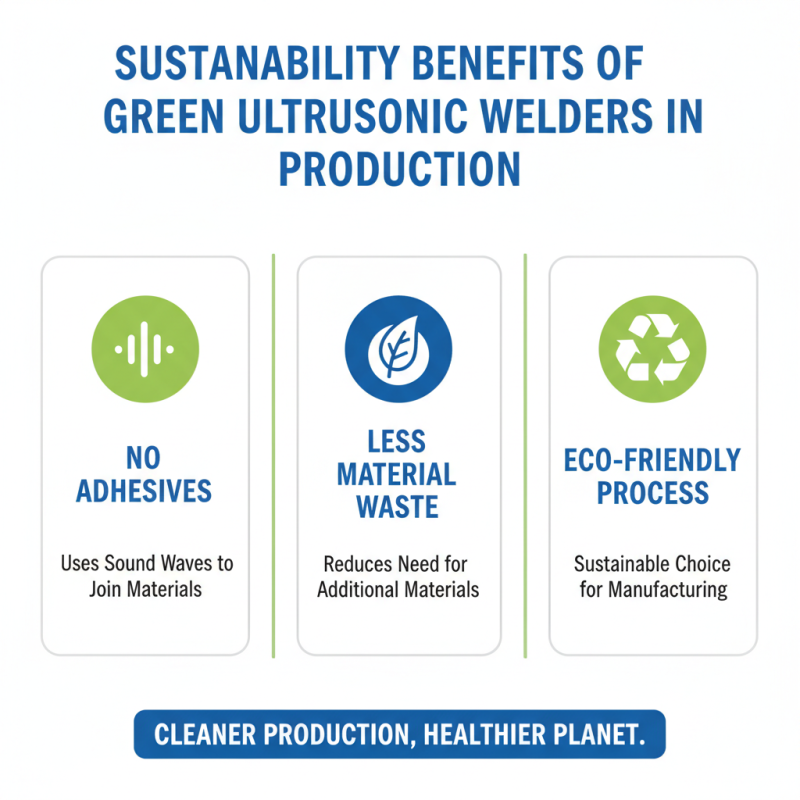
Sustainability Benefits of Using Green Ultrasonic Welders in Production
Green ultrasonic welders are gaining attention for their environmental benefits in manufacturing. These machines use sound waves to join materials, reducing the need for adhesives and additional materials. This process leads to less waste, making it a sustainable choice for production lines.
Using green ultrasonic welders can lower energy consumption. They operate efficiently, often requiring less energy than traditional welding methods. This efficiency translates to lower operational costs and a reduced carbon footprint. However, the initial investment may be higher, prompting companies to weigh the long-term benefits against startup expenses.
The transition to this technology also raises questions. Staff training is vital to ensure proper usage. Companies must evaluate their readiness for such a shift. Embracing green technology can improve public perception, but it demands ongoing commitment to sustainability practices. Balancing immediate costs with future savings remains a challenge in the adoption of green ultrasonic welders.
Future Trends in Ultrasonic Welding Technology for Eco-Friendly Manufacturing
Ultrasonic welding technology is rapidly evolving. As manufacturers focus on sustainability, green innovations are gaining traction. This technology uses high-frequency sound waves to join materials without heat, reducing energy consumption. A significant trend is the integration of eco-friendly materials in the welding process. By utilizing biodegradable polymers and recyclable metals, companies can enhance product sustainability.
Efficiency is crucial for modern manufacturing. Companies are adopting advanced ultrasonic welders that feature smart technology. These machines can monitor energy use, providing real-time feedback on performance. This capability allows for better resource management and minimizes waste. However, some manufacturers face challenges in adapting to these innovations. The learning curve can be steep, and initial investment costs may deter businesses.
The future of ultrasonic welding is promising. As research progresses, new methods are developed that minimize environmental impact further. For instance, innovations in power supply designs could lead to lower energy expenditure. Yet, not all technologies are perfect; some processes may produce waste during setup. Continuous reflection on these challenges will drive the industry towards more sustainable solutions. This ongoing journey highlights the need for adaptability in eco-friendly manufacturing practices.