Discover the Best Ultrasonic Fabric Welder at 2026 Canton Fair?
The upcoming 2026 Canton Fair promises an exciting showcase for buyers, especially those interested in the Ultrasonic Fabric Welder. Scheduled from April 15 to May 5, this event will feature advanced manufacturing and textiles among its highlights. With the introduction of AI smart search and navigation, attendees can efficiently locate vendors offering high-quality Ultrasonic Fabric Welders.
Imagine effortlessly finding suppliers that meet specific certifications like ISO and CE. The 155,000 square meter exhibit space is designed for ease of movement and rapid transitions. However, not every buyer will leave satisfied. Some may miss the brands they hoped to discover or overlook innovative options.
Still, the potential to explore cutting-edge technology in fabric welding is immense. The Ultrasonic Fabric Welder stands out for its efficiency and versatility in the textile industry. By participating in the fair, you gain access to the latest advancements and insights, but preparation is essential to make the most of this opportunity.
Understanding Ultrasonic Fabric Welding Technology
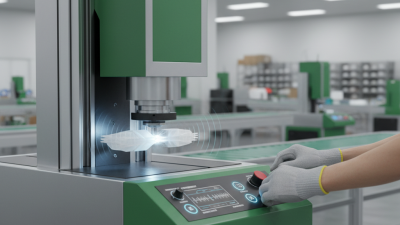
Ultrasonic fabric welding technology has gained considerable traction in various industries, notably in textiles and nonwovens. This technique utilizes high-frequency sound waves to join fabrics without the need for adhesives or stitching. Reports indicate that the ultrasonic welding market is expected to reach USD 5 billion by 2026, driven by rapid technological advancements and increasing demand for nonwoven materials in sectors like automotive and medical.
Applications of this technology are expanding. Ultrasonic welding ensures strong, durable seams that can withstand significant stress. For instance, it produces joints that are 30% stronger than traditional sewing methods. This is particularly important in industries where fabric integrity is critical. However, there are challenges to consider. The initial investment for ultrasonic welding machines can be high. Smaller manufacturers may find it difficult to justify such costs.
Furthermore, not all materials respond equally to ultrasonic welding. Some fabrics may require additional treatments to achieve optimal results. This inconsistency can lead to tears or weaknesses in seams. Industry experts recommend thorough material testing before implementation. Adapting to this technology demands careful planning and resource allocation. The benefits and challenges must be weighed, ensuring that companies can maximize their investment in ultrasonic technology effectively.
Discover the Best Ultrasonic Fabric Welder at 2026 Canton Fair? - Understanding Ultrasonic Fabric Welding Technology
| Model |
Power (W) |
Frequency (kHz) |
Welding Speed (m/min) |
Dimension (mm) |
Weight (kg) |
| Ultrasonic Welder A |
1500 |
20 |
3 |
600 x 300 x 400 |
75 |
| Ultrasonic Welder B |
2000 |
30 |
5 |
700 x 350 x 450 |
85 |
| Ultrasonic Welder C |
2500 |
40 |
6 |
800 x 400 x 500 |
95 |
| Ultrasonic Welder D |
3000 |
60 |
7 |
900 x 450 x 550 |
110 |
Key Features to Consider in Ultrasonic Fabric Welders
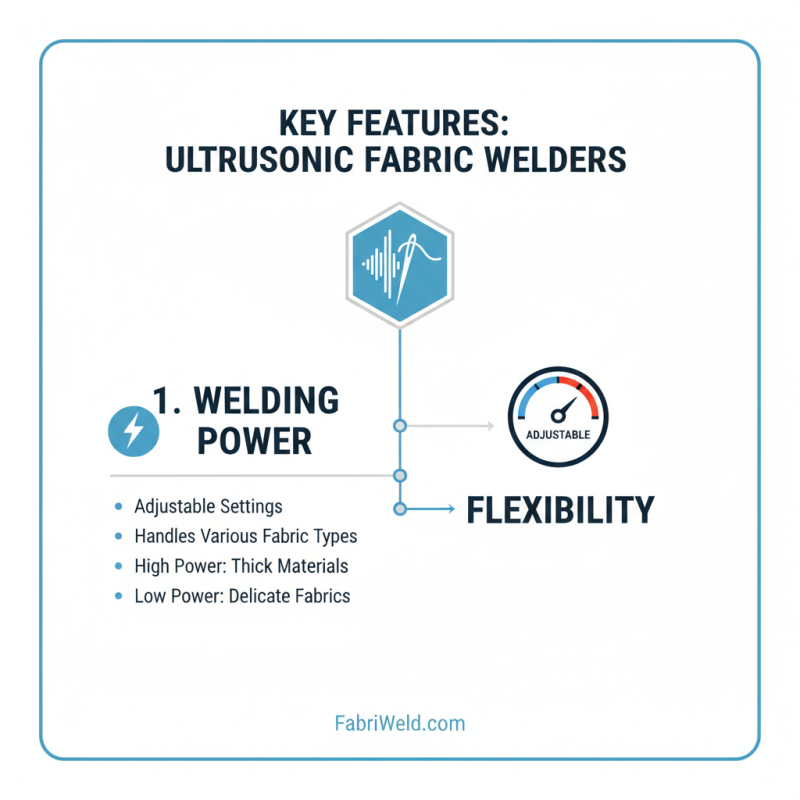
When exploring ultrasonic fabric welders, it’s crucial to consider key features that enhance performance. One important aspect is the welding power. Look for machines that offer adjustable power settings. This flexibility helps in handling various fabric types. High power is great for thicker materials, while lower settings work for delicate fabrics.
Another vital feature is the frequency of operation. Ultrasonic welders typically operate between 20 kHz and 40 kHz. A higher frequency often results in finer welds. However, it may not penetrate thicker materials as effectively. Therefore, if your work involves diverse fabric types, a model with adjustable frequency may be ideal.
**Tips:** Pay attention to the machine's weight and portability. A lightweight design can ease transportation. Also, check the user interface. An intuitive control panel can save time and reduce errors during operation. Think about future needs too. Investing in a welder with more advanced features might pay off in the long run. However, remember that not every feature is necessary for every job.
In the end, a thorough evaluation of your specific fabric welding requirements can lead to a more informed decision. Don’t overlook the potential for learning through trial and error with different machines. Each experience can guide you toward the ideal choice in the long run.
Top Manufacturers Showcasing Ultrasonic Welders at 2026 Canton Fair
The 2026 Canton Fair promises an exciting showcase of ultrasonic welders, featuring top manufacturers. Visitors can expect to see innovative technologies that redefine fabric welding. These machines offer efficiency and precision, crucial for modern manufacturing.
Among the exhibitors, companies will display a range of models. Some focus on versatility, while others emphasize high-speed production. Attendees may find themselves intrigued by the variety. However, not every machine will meet every need. It’s essential for buyers to carefully evaluate their specific requirements.
Networking opportunities abound at the fair. Attending can help industry professionals gain insights into the latest trends. However, amidst all the advancements, questions about sustainability often arise. Are these technologies truly eco-friendly? The conversation about innovation versus environmental impact is ongoing.
Ultrasonic Fabric Welder Performance Comparison
This chart compares the welding speeds of various ultrasonic fabric welder models showcased at the 2026 Canton Fair. The data reflects the performance of each model, aiding potential buyers in making informed decisions.
Comparative Analysis of Popular Ultrasonic Fabric Welders
The ultrasonic fabric welder market is evolving rapidly. Recent industry reports indicate a projected growth rate of 5.5% annually through 2026. This growth is attributed to the increasing demand for efficient and eco-friendly fabric joining methods. Many companies are exploring these technologies as alternatives to traditional sewing.
A comparative analysis of popular ultrasonic fabric welders reveals significant differences in their capabilities. Some models excel in speed, completing projects in mere minutes. Others focus on precision, ensuring flawless seams. The choice often comes down to application. For instance, lightweight fabrics may benefit from a machine that offers gentler welding techniques. Conversely, heavier materials may require high-frequency options for effective bonding.
Though many machines boast advanced features, not all may fit every need. Some users report challenges in achieving consistency across different fabric types. Maintenance can also be tricky. Regular calibration is essential for optimal performance, yet it is often overlooked. Assessing these shortcomings can help in making informed choices at the upcoming Canton Fair.
Future Trends in Ultrasonic Fabric Welding Post-2026 Fair
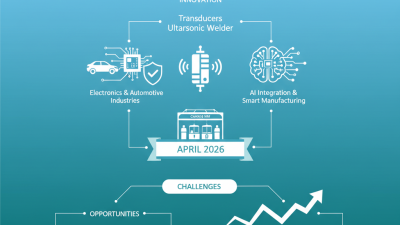
As we look forward to the trends in ultrasonic fabric welding, several challenges and opportunities emerge. The global ultrasonic welding market is projected to reach $1.2 billion by 2028, as per recent industry reports. This reflects a growing interest in sustainable fabrics and automated production processes. However, many manufacturers still struggle with traditional methods that can be time-consuming and less efficient.
Innovations are key. By 2026, ultrasonic technology may integrate more with AI and IoT. This could allow for real-time data collection and process optimization. Yet, companies must consider the cost of transition. The initial investment might deter smaller enterprises. They need to weigh immediate costs against long-term benefits.
Additionally, there are still gaps in training and expertise. Many operators lack understanding of the technology’s potential. The trend towards automation requires skilled workers ready to adapt. Continuing education in ultrasonic welding techniques is crucial. The shift toward new technologies is not just technical; it's cultural. Companies must cultivate a mindset open to change and experimentation.