Essential Tips for Using Green Ultrasonic Welders Effectively?
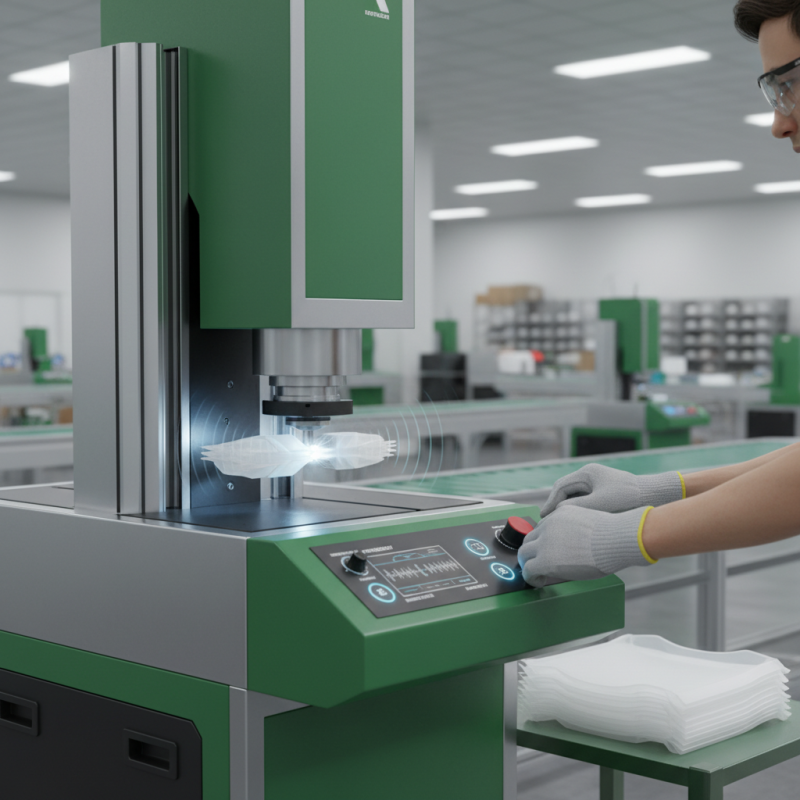
Green Ultrasonic Welders are essential tools in various manufacturing processes. These machines utilize ultrasonic technology to create strong, reliable bonds between thermoplastics. Proper usage of a Green Ultrasonic Welder can greatly enhance production efficiency.
To achieve the best results, operators should be mindful of several factors. Consistent machine maintenance is crucial to prevent wear and tear. Monitoring parameters like frequency and amplitude is also important for optimal performance. Often, users overlook these aspects, which can lead to subpar welds.
Moreover, understanding material compatibility is vital. Not all materials respond well to ultrasonic welding. Operators may need to experiment and adjust settings. Mistakes can provide valuable lessons. As one gains experience, the use of a Green Ultrasonic Welder becomes more intuitive, allowing for improved outcomes.
Understanding Green Ultrasonic Welding Technology and Its Benefits
Green ultrasonic welding technology offers significant advantages in various industries. This method utilizes high-frequency sound waves for joining materials. It is efficient and environmentally friendly. Reports indicate that this process can save up to 50% in energy consumption compared to traditional welding methods. Companies adopting this technology often see increased productivity.
One major benefit is its ability to weld delicate materials. In the automotive sector, for instance, parts made from plastics can be joined without damaging them. This is crucial for maintaining structural integrity. An important statistic is that ultrasonic welding can achieve bond strengths comparable to traditional techniques. Yet, understanding the limitations of this technology is essential. Not all materials are compatible with ultrasonic welding.
Moreover, while many companies enjoy the benefits, challenges remain. Workforce training, for one, is often overlooked. Employees need proper skill sets to operate these machines effectively. Regular maintenance is also key. Neglecting these aspects can lead to inconsistent results, which can affect production quality. Balancing these factors will help maximize the benefits of green ultrasonic welding.
Key Factors Influencing the Performance of Ultrasonic Welders
When using green ultrasonic welders, the performance can vary greatly based on key factors. One major factor is frequency. Different materials require specific frequencies for optimal welding. If the frequency is off, welds may be weak or inconsistent. It's crucial to match the ultrasonic welder settings to the specific materials involved.
Tips for achieving better results include maintaining a clean workspace. Dirt and debris can negatively impact performance. Regularly inspect the equipment for wear and tear. Any flaws in the transducer can lead to poor weld quality.
Another important aspect is pressure. Insufficient pressure may result in inadequate weld seams. However, too much pressure can damage components. Finding the right balance is essential.
Testing different parameters helps refine the process. Trial and error might be necessary to discover the best settings. Do not hesitate to make adjustments based on feedback. Monitoring the results enables better decision-making for future projects.
Optimal Settings for Green Ultrasonic Welders in Different Materials
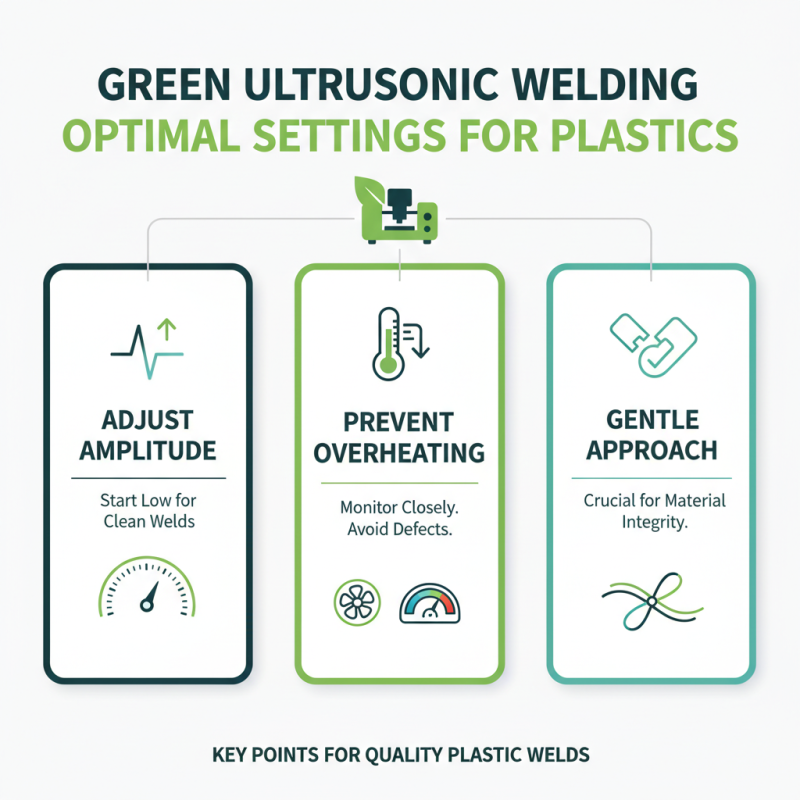
When using green ultrasonic welders, optimal settings vary based on materials. For plastics, adjusting the amplitude is crucial. Start with lower settings to avoid damage. A gentle approach can yield cleaner welds. Monitor the process closely. Overheating can lead to defects, which are easy to miss.
For metal materials, it’s essential to find the right frequency. A higher frequency may be suitable for thin sheets, while thicker metals require lower frequencies. Pay attention to the pressure applied during welding. Too much force can distort the material. Balancing these settings is key to achieving strong joints.
Experimentation is necessary for finding the best results. Documents may provide initial guidance, but real-world trials often reveal more. Don't hesitate to adjust parameters if the weld quality isn’t as expected. Recognizing and rectifying issues makes a significant difference. Stay patient and keep refining techniques for the best outcomes.
Common Challenges in Ultrasonic Welding and How to Overcome Them
Ultrasonic welding offers a unique solution for joining thermoplastic materials efficiently. However, common challenges can hinder optimal performance. A report from the International Journal of Advanced Manufacturing Technology notes that up to 30% of ultrasonic welding processes may end in failure due to improper settings. This underscores the importance of fine-tuning parameters such as amplitude, pressure, and time.
One frequent issue is inadequate joint strength. This can result from poor material alignment or inconsistent ultrasonic energy distribution. To address this, operators should regularly calibrate equipment and conduct test welds. Predictable failures can be minimized by establishing clear protocols. Reports show that effective pre-weld inspections can improve success rates by 25%.
Another challenge is the buildup of contaminants on the sonotrode. This can lead to uneven heating and weakening of welds. Regular cleaning is essential, yet it is often overlooked. Many technicians feel rushed and skip this step. However, dedicating time to maintenance can significantly enhance weld quality. Investing in training may also foster a culture of diligence. Adapting to these challenges helps improve quality and efficiency in ultrasonic welding processes.
Ultrasonic Welding Efficiency Comparison
Maintenance Practices for Enhancing Ultrasonic Welder Longevity and Efficiency
Maintaining ultrasonic welders properly is crucial for long-term efficiency. Regular maintenance can enhance machine longevity. According to a report from the Ultrasonics Industry Association, a well-maintained welder can last up to 30% longer than a neglected one. Regular checks on the ultrasonic stack can help identify signs of wear and tear early.
Users should clean the converter and booster regularly. Dust and debris can lead to poor performance. If performance decreases, check for loose connections. Tightening them can often resolve issues. Lubricating moving parts as per the manufacturer’s guidelines is vital. The wrong lubricant can actually damage the machine.
Finally, monitoring the operating temperature is essential. Extreme temperatures can shorten the machine's lifespan. Keeping an eye on ambient conditions can help prevent overheating. Unexpected breakdowns are often a wake-up call. To avoid this, routine checks should not be overlooked. Set reminders for maintenance schedules to ensure consistent performance.
Essential Tips for Using Green Ultrasonic Welders Effectively
| Maintenance Practice |
Description |
Frequency |
Impact on Efficiency |
| Daily Cleaning |
Remove dust and debris from the welder surface and components. |
Daily |
Improves visibility and prevents contamination. |
| Weekly Inspection |
Check for wear and tear on sonotrodes and boosters. |
Weekly |
Identifies issues before they lead to failures. |
| Monthly Calibration |
Ensure that ultrasonic parameters are set correctly. |
Monthly |
Maintains weld quality and consistency. |
| Annual Overhaul |
Comprehensive check and replacement of worn parts. |
Annually |
Extends the lifespan of the equipment. |
| Cooling System Maintenance |
Ensure proper functioning of the cooling system to avoid overheating. |
Monthly |
Prevents failures due to heat-related damage. |