Why Choose a Gray Ultrasonic Welder for Your Manufacturing Needs
In today's rapidly evolving manufacturing landscape, choosing the right tools and technology is crucial for success. Among the various options available, the Gray Ultrasonic Welder stands out as a compelling choice for manufacturers looking to enhance productivity and efficiency. According to a recent market analysis from Technavio, the ultrasonic welding market is projected to grow by over 4% from 2022 to 2026, driven by technological advancements and an increasing demand for automation in production processes.
The Gray Ultrasonic Welder is specifically designed to meet the needs of modern manufacturers by offering precision, speed, and versatility. Research conducted by MarketsandMarkets highlights that industries such as automotive and electronics are increasingly adopting ultrasonic welding, with a predicted market size of
$1.23 billion by 2026. This reflects a significant shift towards more sustainable manufacturing practices, as ultrasonic welding is not only efficient in joining materials but also
reduces waste and energy consumption.
As manufacturers strive to remain competitive in 2025 and beyond, investing in a Gray Ultrasonic Welder can provide a strategic advantage. Its advanced technology facilitates
quicker production cycles and superior bond quality, ultimately leading to improved product reliability. In a world where operational efficiency directly correlates to profitability, the
Gray Ultrasonic Welder emerges as a vital asset for forward-thinking businesses.
Benefits of Gray Ultrasonic Welders in Streamlined Manufacturing Processes
Gray ultrasonic welders are transforming manufacturing processes with their efficiency and precision. According to a recent report by Markets and Markets, the global ultrasonic welding machines market is expected to grow from $1.3 billion in 2021 to $2.1 billion by 2026, reflecting a compound annual growth rate (CAGR) of 10.2%. This growth is largely attributed to the increasing demand for lightweight and durable materials in industries such as automotive, medical, and consumer goods, where Gray ultrasonic welders excel by ensuring strong and consistent joints without compromising the integrity of the materials.
One of the key benefits of Gray ultrasonic welders is their ability to streamline manufacturing processes. The machines operate at high frequencies, allowing for rapid welding cycles that significantly reduce production time. A study by Technavio found that manufacturers utilizing ultrasonic welding can see a reduction in cycle times by up to 50%, leading to increased output and cost savings. Furthermore, the precision offered by Gray ultrasonic welders minimizes the need for additional finishing processes, resulting in a cleaner production workflow and higher overall efficiency, which is essential for staying competitive in today’s fast-paced manufacturing environment.
Key Features of Gray Ultrasonic Welders for Optimal Performance
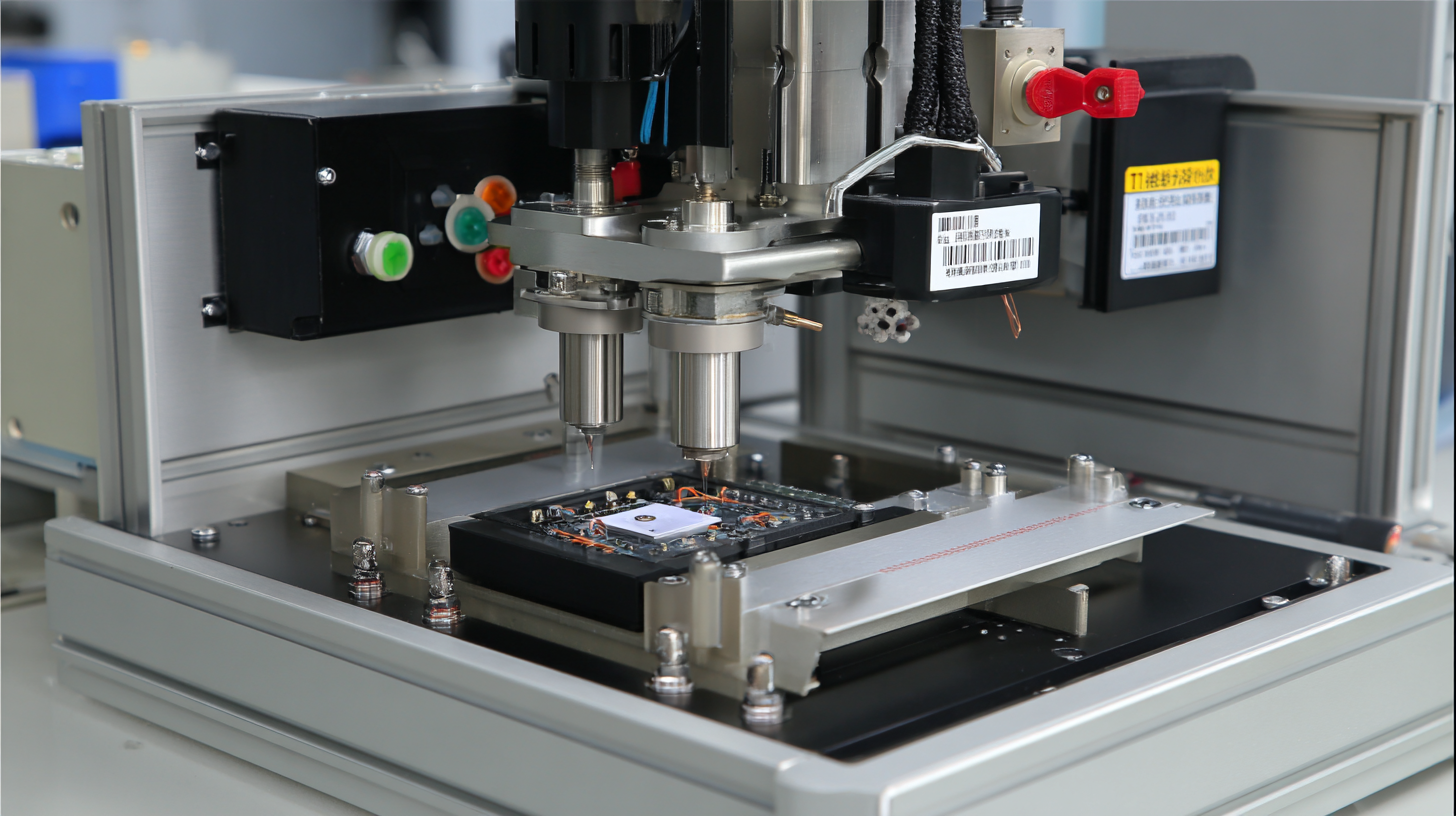 Gray ultrasonic welders are designed to deliver optimal performance with a focus on precision and efficiency. One key feature is their advanced frequency control technology, which ensures consistent and reliable welding results across various materials. This precision is crucial for industries that require strict adherence to quality standards, making Gray welders a preferred choice for manufacturers.
Another significant aspect is the ergonomic design of Gray ultrasonic welders, enabling ease of use while reducing operator fatigue. Enhanced safety features, such as automatic shut-off and protective enclosures, further improve the working environment. These attributes not only boost productivity but also significantly lower the risk of accidents in the manufacturing process.
Tips: When selecting a gray ultrasonic welder, consider the material you'll be working with to ensure compatibility. Additionally, investing in training sessions for operators can greatly enhance the efficiency and effectiveness of your welding processes, leading to better overall outcomes for your production line. Always maintain regular maintenance checks to prolong the lifespan of your equipment.
Cost-Effectiveness: Investing in Gray Ultrasonic Welding Technology
When considering the most efficient solutions for manufacturing needs, investing in gray ultrasonic welding technology stands out for its cost-effectiveness. This innovative method is gaining traction, particularly in industries that require reliable and robust assembly processes. For instance, the reliable assembly of body armor showcases how ultrasonic bonding technology enables manufacturers to create durable products with less material waste and reduced labor costs. This approach not only enhances productivity but also ensures consistency in the quality of the end products.
**Tips**: When choosing ultrasonic welding technology, consider the long-term savings it brings. Evaluate the equipment for its energy efficiency and the versatility it offers across different applications. Additionally, factor in the reduced need for adhesives and other materials, which can contribute significantly to overall cost savings.
The adoption of this technology is being embraced by over 30 manufacturers, underscoring its effectiveness across various applications. By leveraging gray ultrasonic welders, companies can optimize their manufacturing processes while maintaining high standards of safety and reliability. As the industry evolves, this technology positions itself as a smart investment for manufacturers looking to streamline operations and enhance product quality.
Why Choose a Gray Ultrasonic Welder for Your Manufacturing Needs - Cost-Effectiveness: Investing in Gray Ultrasonic Welding Technology
| Feature |
Description |
Cost Saving Potential (%) |
Typical Applications |
| Energy Efficiency |
Lower energy consumption compared to traditional welding methods. |
30% |
Plastic bonding, Textile joining |
| Maintenance Costs |
Reduced wear and tear leads to lower maintenance and repair costs. |
20% |
Automotive parts, Electronics assembly |
| Production Speed |
Fast processing times lead to increased output. |
25% |
Packaging, Medical device manufacturing |
| Quality of Welds |
High precision welding resulting in strong and durable joints. |
15% |
Consumer goods, Industrial components |
Tips for Selecting the Right Gray Ultrasonic Welder for Your Facility
When selecting the right Gray ultrasonic welder for your facility, it is crucial to consider several key factors that can significantly impact your manufacturing efficiency. First, assess the materials you will be working with. Different ultrasonic welders are designed to handle various types of materials, such as plastics, metals, or composites. Ensuring compatibility between your target materials and the welder's specifications will lead to optimal welding results and prevent potential equipment damage.
Next, evaluate the power output and frequency of the ultrasonic welder. A higher power output may be required for thicker materials or more challenging applications. Additionally, consider the frequency options available; certain frequencies work better for specific welding processes. Consulting with Gray's technical resources or sales representatives can provide valuable insights into the most suitable configurations for your unique manufacturing processes. Ultimately, making informed choices based on your specific needs will enhance performance and productivity in your operations.
Common Applications of Gray Ultrasonic Welders in Various Industries
Gray ultrasonic welders are becoming increasingly invaluable across various industries due to their precision and efficiency. In sectors like automotive manufacturing, ultrasonic technology is often indispensable for joining components without compromising the integrity of materials. According to industry reports, nearly 60% of manufacturers in the automotive sector have integrated ultrasonics into their processes, significantly enhancing production speed and reducing waste. This technology excels at welding plastics and metals, making it a versatile choice for manufacturers looking to maintain quality while optimizing their workflows.
Additionally, gray ultrasonic welders find applications in the medical device industry, where sterility and precision are paramount. With the global market for ultrasonic welding equipment projected to surpass $900 million by 2026, it’s clear that the demand for reliable welders is on the rise. Medical devices often require hermetic seals, which ultrasonic welding can achieve efficiently, thus ensuring that product performance meets stringent regulatory standards. By investing in gray ultrasonic welders, companies can not only improve their operational efficiency but also enhance their product offerings across industries like packaging, electronics, and even textiles.