10 Tips for Choosing the Right Ultrasonic Wire Welder?
Choosing the right Ultrasonic Wire Welder can be challenging. In recent years, the demand for these machines has significantly increased, especially in the automotive and electronics industries. A report by Markets and Markets indicates that the ultrasonic welding market is expected to reach $2.6 billion by 2025. This growth reflects the rising need for efficient and reliable joining technologies.
When selecting an Ultrasonic Wire Welder, several factors come into play. Reliability, precision, and the ability to accommodate various wire sizes are crucial. According to industry experts, a well-chosen ultrasonic welder can enhance productivity and reduce operational costs. However, many businesses still struggle with making the right choice. Understanding the technology and the specific needs of your application is essential.
Mistakes in selection can lead to production delays and increased expenses. Consider the specifications of potential machines. Analyze your production requirements thoroughly. The right Ultrasonic Wire Welder not only meets current needs but should also adapt to future demands. Balancing these elements can be daunting but necessary for optimal results.
Understanding Ultrasonic Wire Welding Technology
Ultrasonic wire welding technology is transforming the way we join materials. This method uses high-frequency sound waves to create solid-state bonds between wires. It offers rapid assembly and ensures minimal thermal impact on components. This can be crucial in sensitive applications like electronics and automotive industries.
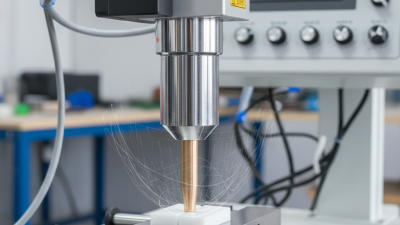
In this process, a transducer converts electrical energy into mechanical vibrations. These vibrations are transmitted through a sonotrode, which applies pressure to the wires. The result is a strong, reliable weld that can withstand various conditions. Understanding the parameters involved, such as amplitude and pressure, is vital. New users might overlook these factors, leading to inconsistencies in weld quality.
Many factors influence the performance of ultrasonic welders. Equipment choice, processing parameters, and materials all play a role. It's essential to test different settings to find the optimal configuration. Rushing this process can lead to failures. Users should document their findings and refine their methods over time. This iterative approach is key to mastering ultrasonic welding.
Key Factors Influencing Ultrasonic Wire Welder Selection
When choosing an ultrasonic wire welder, several key factors come into play. The power output is crucial. Machines typically range from 1000 to 3000 watts. Higher wattage can reduce welding time, thus improving productivity. According to industry reports, a 30% increase in power can enhance bonding strength by nearly 15%. This highlights the importance of selecting a welder that matches your production demands.
Consider the frequency of the ultrasonic waves. Most welders operate at frequencies between 20 kHz and 40 kHz. Lower frequencies produce more energy, making them suitable for thicker materials. Conversely, higher frequencies are better for finer wires. This choice can significantly affect material compatibility and overall weld quality.
Also, the size and weight of the machine cannot be overlooked. Heavy machines may offer stability, but they can also be cumbersome. Portability becomes vital in dynamic work environments. A welder that is easy to maneuver increases versatility. Regular evaluations of machine performance can uncover improvements. Balancing power, frequency, and portability ultimately influences the efficiency of your welding operations.
10 Key Factors Influencing Ultrasonic Wire Welder Selection
This bar chart presents the key factors influencing the selection of ultrasonic wire welders based on their importance level. The factors include Frequency, Power Output, Welding Speed, Size and Portability, Material Compatibility, Automation Capability, Cost, Maintenance Requirements, Cooling System, and Customer Support.
Assessing Your Production Needs and Requirements
When choosing the right ultrasonic wire welder, assessing your production needs is crucial. Understand the scale of your operations. Smaller businesses may require less powerful machines. In contrast, larger manufacturers often need robust welders with high throughput. Evaluate the types of materials you will use. Different materials may require various power levels or frequency settings.
Consider the complexity of your projects. If your production involves intricate designs, a more versatile welder is essential. The welder's ability to adapt to different wire gauges is also important. Knowing your workflow can help pinpoint the right features. Review your production speed requirements. Faster operations may demand advanced technology, while slower production lines can manage with basic options.
There could be a temptation to opt for the cheapest option, but this can backfire. Lower costs often mean lower quality. Investing in a reliable machine pays off in the long run. Always gather feedback from your team. They may uncover insights about usability and efficiency that you haven’t considered. Engaging with experienced technicians can provide valuable advice. They can highlight what works in real-world scenarios, enhancing your decision-making process.
Comparing Different Ultrasonic Wire Welder Brands
Choosing the right ultrasonic wire welder involves careful comparison of different brands. The market is diverse, with various manufacturers offering unique features. Industry reports indicate that performance varies significantly, impacting operational efficiency and product quality. Brands often differ in power output, frequency range, and durability. This diversity makes it essential to analyze specifications closely.
One crucial tip is to prioritize your specific application needs. For instance, if you work with materials requiring delicate handling, select a welder known for its precision. Look for units with adjustable settings. This adaptability becomes vital when experimenting with different materials. Another point to consider is customer feedback. Reviews can provide insights into reliability and performance.
Additionally, investigate the available technical support. Reliable manufacturers often provide commendable after-sales service. This can be a deciding factor, especially for businesses that may require frequent maintenance or troubleshooting. Overall, awareness of what each brand offers can enhance the decision-making process significantly.
Evaluating Cost and Maintenance Considerations
When selecting an ultrasonic wire welder, cost and maintenance should be heavily considered. The initial investment varies widely. Higher-end models often come with advanced features. However, they may not always deliver significant improvements in efficiency or performance. It is crucial to analyze your production needs. Are these features truly necessary?
Maintenance is another critical factor. Ultrasonic welders require regular upkeep to operate effectively. Scheduled maintenance can help prevent costly breakdowns. Users often overlook the cost of replacement parts and consumables. This can lead to unexpected expenses over time. Understanding the maintenance cycles of the machine is essential for budgeting. Knowledgeable technicians can provide valuable insights into potential long-term costs.
Training staff on proper usage also affects overall costs. Inexperienced operators may misuse the equipment, leading to defects. This can result in product waste and increased financial burden. Investing in educational resources pays off in the long run. Each decision impacts your bottom line. Thoughtful evaluation of these elements can lead to better choices.