China Top 10 Waterproof Ultrasonic Transducers for Buyers?
In the rapidly evolving field of ultrasonic technology, the demand for reliable waterproof ultrasonic transducers is increasing. As one expert, Dr. Emily Chen, noted, “A dependable waterproof ultrasonic transducer is essential for accurate underwater measurements.” This highlights the critical role these devices play across various industries, from marine to industrial applications.
The selection of the best waterproof ultrasonic transducer can be daunting. Buyers face numerous options, each claiming uniqueness and superior performance. However, understanding the key features of these transducers is vital. Waterproof ratings, frequency ranges, and build quality are just a few considerations that can define effectiveness.
In today's market, there are numerous waterproof ultrasonic transducers available. Some brands excel, while others fall short of expectations. Buyers must navigate through these choices thoughtfully. Evaluating performance reviews can often reveal insights not apparent at first glance. A thorough assessment not only enhances purchase decisions but also fosters long-term satisfaction in usage.
Overview of Waterproof Ultrasonic Transducers in China
Waterproof ultrasonic transducers play a crucial role in various industries in China. They are essential in applications ranging from underwater communication to industrial monitoring. According to a recent report, the global ultrasonic transducer market is projected to reach $14 billion by 2025. China's contribution to this market is significant, given its advanced manufacturing capabilities.
The technology behind these transducers is evolving rapidly. Recent advancements in materials and design have improved their durability and performance. Many manufacturers are focusing on enhancing their products to withstand challenging environments. For instance, transducers made of advanced polymers and ceramics show promise in resisting corrosion and high-pressure conditions. This innovation is critical for underwater applications, such as marine research.
However, challenges persist in the industry. The need for standardized testing methods raises concerns about reliability. Many companies are still navigating quality control issues. The variation in performance across different models can be surprising. Buyers must conduct thorough research to ensure they select the right transducer for their specific needs. Employing a combination of expert reviews and field tests can help mitigate these uncertainties.
China Top 10 Waterproof Ultrasonic Transducers for Buyers
| Model |
Frequency (kHz) |
Power (W) |
Operating Temperature (°C) |
Waterproof Rating |
| UT-100 |
40 |
5 |
-20 to 80 |
IP68 |
| UT-200 |
50 |
10 |
-30 to 70 |
IP67 |
| UT-300 |
60 |
15 |
-40 to 85 |
IP69K |
| UT-400 |
70 |
20 |
-10 to 60 |
IP65 |
| UT-500 |
30 |
8 |
-25 to 75 |
IP68 |
| UT-600 |
90 |
12 |
-20 to 80 |
IP67 |
| UT-700 |
120 |
18 |
-30 to 100 |
IP69K |
| UT-800 |
150 |
22 |
-40 to 90 |
IP68 |
| UT-900 |
60 |
14 |
-20 to 75 |
IP65 |
| UT-1000 |
80 |
30 |
-10 to 85 |
IP69K |
Key Features to Consider When Choosing Ultrasonic Transducers
When selecting waterproof ultrasonic transducers, several key features come into play.
Frequency is crucial since it impacts the ability to detect objects.
A higher frequency can enhance resolution but may reduce penetration depth. Conversely, a lower frequency often penetrates deeper but sacrifices detail.
Buyers should balance these aspects based on their specific needs.
Another important factor is the material of the transducer.
Many transducers use specialized polymers or ceramics. These materials ensure durability in harsh environments.
However, some may not perform optimally in extreme temperatures.
It's vital to evaluate the operating conditions carefully.
Transducers may face challenges like reduced sensitivity in certain conditions.
Additionally, buyers should consider the size and shape of the transducer.
Compact designs may fit into tight spaces but can limit performance.
Larger models might deliver better results but require more installation space.
Finding the right fit for your application is essential.
Explore these aspects to ensure your choice meets both efficiency and reliability.
Top Manufacturers of Waterproof Ultrasonic Transducers in China
When exploring the market for waterproof ultrasonic transducers in China, several top manufacturers stand out. These companies focus on innovation and quality. They meet the increasing demand for reliable and efficient ultrasonic solutions in various applications. Reports indicate that the global ultrasonic transducer market is projected to grow significantly, reaching USD 6 billion by 2025. This growth underscores the importance of selecting reputable manufacturers in China.
One major consideration when choosing a manufacturer is their quality control processes. A study highlighted that a lack of stringent quality assurance can lead to product failures. Buyers should seek manufacturers with ISO certifications. They should also consider companies that invest in research and development. This investment often results in more advanced and durable products.
Tips: Always ask for product samples before large orders. This practice can reveal a lot about a manufacturer’s commitment to quality. Additionally, check online reviews and customer feedback for insights into performance. Collaborating with trusted suppliers can help minimize risks. Investing time in due diligence pays off in the long run.
Top 10 Waterproof Ultrasonic Transducers in China
This chart represents the estimated frequency response (kHz) of the top 10 waterproof ultrasonic transducers available in the market. The data illustrates the performance spectrum these transducers can achieve, showcasing their suitability for various applications.
Comparative Analysis of the Leading Ultrasonic Transducers
When selecting waterproof ultrasonic transducers, buyers face a diverse market. Understanding the crucial features is vital for making an informed decision. Key aspects include frequency range, sensitivity, and operational depth. These factors greatly influence the efficiency and reliability of ultrasonic applications.
Some transducers excel in freshwater environments, while others are more suitable for harsh industrial settings. Examining the construction material is also essential. Some use durable plastics, while others are made of robust metals, enhancing their longevity. However, durability does not always guarantee performance consistency across various conditions.
Price differences reflect varying levels of technology and research invested in development. A higher price often indicates advanced features, but it does not guarantee superior performance in all situations. It's essential to evaluate reviews and user experiences. Connecting with industry professionals can provide practical insights that lead to better purchasing choices. Ultimately, thoughtful consideration of these elements ensures the right fit for specific needs.
Applications and Uses of Ultrasonic Transducers in Various Industries
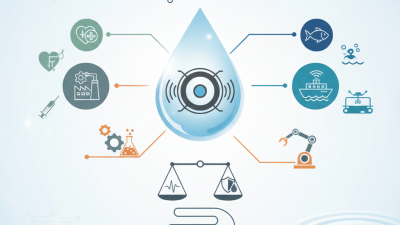
Ultrasonic transducers play a crucial role in various industries, thanks to their versatility and efficiency. In the manufacturing sector, these devices are used for non-destructive testing. They help in identifying faults in materials without causing damage. This is vital for maintaining quality control and ensuring product safety. Their ability to detect microscopic cracks can save businesses from costly recalls.
In healthcare, ultrasonic transducers are indispensable. They enable imaging technologies like ultrasound, which are critical for diagnosing conditions. The precision of these devices allows for real-time imaging of internal organs. This capability has improved patient outcomes significantly. However, the technology is constantly evolving. Some devices do struggle with accuracy under certain conditions.
The food industry also utilizes ultrasonic transducers for quality assurance. They monitor processes such as pasteurization and ensure consistent quality. While effective, the integration of this technology can face challenges. For instance, calibration can be complex and requires skilled personnel. Understanding these hurdles is essential for maximizing efficiency in any application.