Top 10 Ultrasonic Welder Factory Benefits for Your Business?
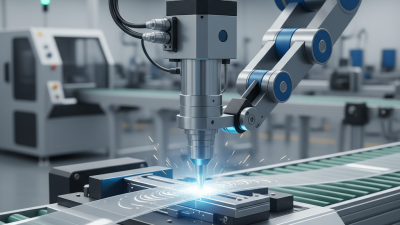
In today's manufacturing landscape, an Ultrasonic Welder Factory can significantly transform your operations. These factories utilize cutting-edge technology to create reliable and efficient products. By investing in ultrasonic welding, businesses can achieve higher quality results with reduced production times. The energy savings from this process are noteworthy.
Moreover, partnering with an Ultrasonic Welder Factory means accessing expert knowledge. This expertise can help avoid common pitfalls in the welding process. However, it’s important to consider the initial investment. While costs may seem daunting, the long-term benefits often outweigh these expenses.
Every business has unique needs. Not all Ultrasonic Welder Factories can meet these needs perfectly. Finding the right fit requires research and evaluation. In the end, the advantages gained from precision welding can propel a company ahead of its competition. This exploration of benefits serves to guide you in making an informed choice.

Advantages of Incorporating Ultrasonic Welding in Manufacturing Processes
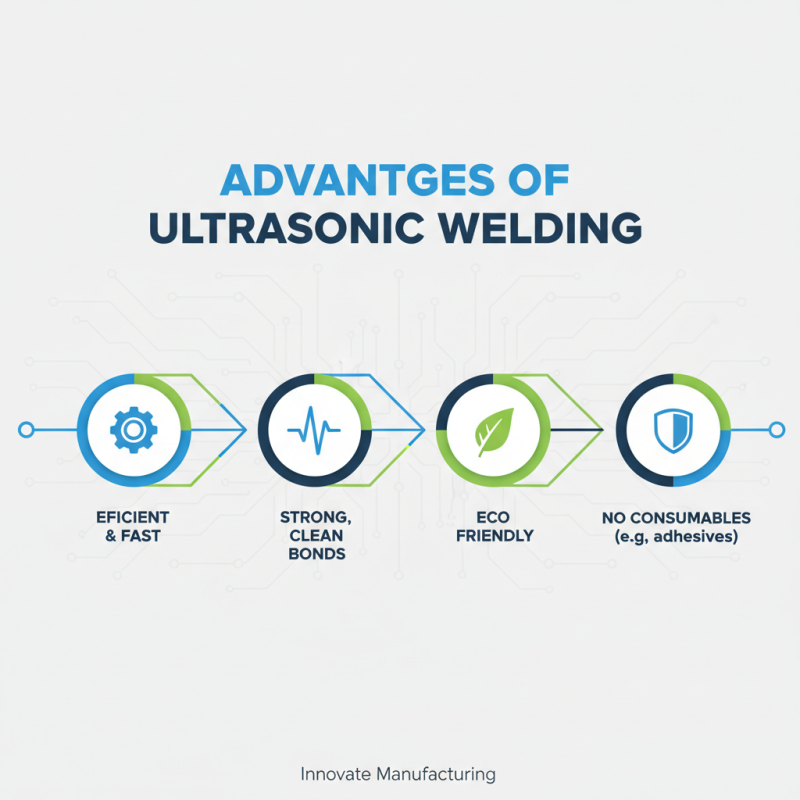
Incorporating ultrasonic welding into manufacturing processes brings several significant advantages. This technique is efficient and effective for joining materials. It uses high-frequency sound waves, creating heat at the joint. This method ensures strong bonds without the need for adhesives. The result is cleaner and more environmentally friendly production.
One notable benefit is the reduction of cycle times. Ultrasonic welding can complete joints in mere seconds. This speed allows manufacturers to increase their output significantly. Additionally, the precision of the process reduces wasted materials. However, it requires an initial investment in machinery and training. Some may find this daunting or complicated. Yet, the long-term savings can outweigh these challenges.
Moreover, ultrasonic welding is versatile. It works on various materials like plastics and metals. This flexibility can lead to innovative product designs. However, not all components may be suitable for ultrasonic joining. Understanding material limitations is crucial. As with any technology, continuous evaluation and adjustment may be necessary to achieve optimal results.
Cost Savings Achieved through Efficient Ultrasonic Welding Technology
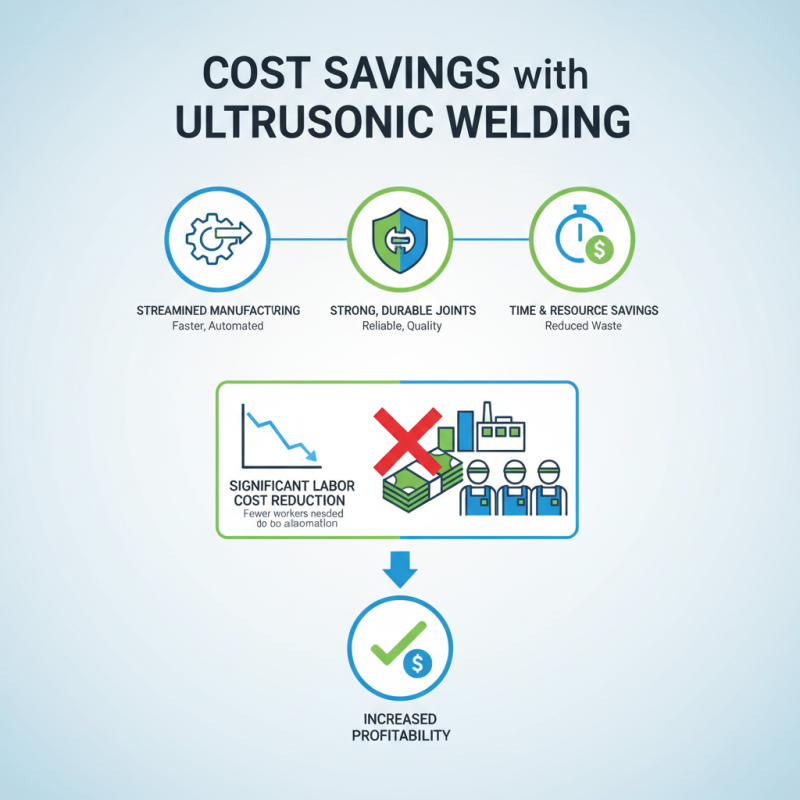
Ultrasonic welding technology streamlines manufacturing processes. It creates strong, durable joints quickly and efficiently. This method saves both time and resources. Companies can reduce labor costs significantly. Fewer workers are needed since machines do most of the work.
Moreover, ultrasonic welding minimizes material waste. Traditional methods often result in excess scrap. With ultrasonic bonding, only necessary materials are used. This leads to cost savings over time. Machinery might require a higher initial investment. However, the long-term efficiency can be worth it.
Keep in mind that not all projects are suitable for ultrasonic welding. Some materials do not bond well using this method. This can lead to trial and error, consuming time and resources. It's crucial to evaluate the specific needs of each project carefully. Embracing this technology requires a thoughtful approach.
Improved Product Quality through Precision Ultrasonic Welding Techniques
Ultrasonic welding is a game changer for many industries. This technique uses high-frequency vibrations to join materials. The precision of ultrasonic welding significantly enhances product quality. It ensures tight seams and minimizes defects. Manufacturers see fewer rejects and reworks. The accuracy of this process is unmatched.
With ultrasonic welding, less heat is used. This means materials are not damaged during the process. Sensitive components can be welded without risk. The result is higher quality products that meet customer expectations. However, achieving the ideal settings may take time. Operators must adjust parameters carefully. A small mistake can lead to imperfect welds, which can be frustrating.
Investing in ultrasonic technology requires more than just machines. Training staff is crucial. They must understand settings and monitor quality. Initial challenges may arise, but the benefits can be substantial. Improved products lead to satisfied customers. Focusing on precision can elevate your business in a competitive landscape.
Increased Production Speed with Ultrasonic Welding Automation Solutions
Ultrasonic welding automation solutions can significantly boost production speed in various industries. Research indicates that companies utilizing these systems can see an increase in production rates by 30% to 50%. This efficiency is crucial in meeting market demands swiftly and reducing lead times.
Implementing ultrasonic welding not only accelerates the joining process but also minimizes material waste. The precision of this technology allows for tighter tolerances. A 2022 industry report highlighted that businesses adopting these solutions reduced scrap rates by 20%. This means cleaner production lines and lower costs.
**Tip:** Regularly inspect your ultrasonic welding equipment. Maintenance can prevent costly downtimes. It is imperative to balance speed and quality.
Yet, transitioning to automation is not without challenges. Workforce training is essential. Employees may face a learning curve when adapting to new systems. Understanding how to manage these changes can make a difference in achieving the desired outcomes.
**Tip:** Create a training plan for staff. Involve them early in the process to foster acceptance. Engaged workers will contribute to smoother transitions.
Enhanced Design Flexibility with Versatile Ultrasonic Welding Applications
Ultrasonic welding offers remarkable design flexibility for various industries. Its versatility allows for the joining of materials that were previously challenging to connect. This method effectively combines plastics and metals, ensuring a strong bond without compromising material integrity. It caters to diverse applications, such as automotive parts, medical devices, and electronics.
With ultrasonic welders, manufacturers can streamline production. The ability to handle different shapes and sizes boosts creativity in design. Each application can be tailored to meet specific needs. However, not all materials may respond well to ultrasonic welding. Some plastics may warp or degrade if not monitored carefully.
Maintaining quality control is crucial when using this technology. Operators must be trained to recognize potential issues. If parameters are not set correctly, the welds may fall short in durability. Learning from these challenges is part of the process. Embracing these nuances can lead to better solutions in ultrasonic welding applications.
Top 10 Ultrasonic Welder Factory Benefits for Your Business
| Benefit |
Description |
Example Application |
| Design Flexibility |
Allows for various shapes and materials to be welded. |
Medical Devices |
| Cost Efficiency |
Reduces operational costs by minimizing waste. |
Automotive Parts |
| Speed |
Fast production times due to quick bonding processes. |
Consumer Electronics |
| Quality Joint Formation |
Creates strong and durable joints without damaging materials. |
Textile Products |
| Eco-Friendly |
No solvents or adhesives required, reducing environmental impact. |
Packaging Materials |
| Minimal Setup Time |
Quickly adaptable to different production runs. |
Small Batch Production |
| Versatility |
Can weld a variety of materials including plastics and metals. |
Multiple Industry Applications |
| Reduced Labor Costs |
Automated processes reduce the need for manual labor. |
Automated Manufacturing Lines |
| Enhanced Safety |
Lower risk of contamination and injuries compared to traditional methods. |
Pharmaceutical Packaging |
| Consistency and Reliability |
Delivers consistent performance ensuring product quality. |
Electronics Assembly |