Top 10 Benefits of Ultrasonic Welder For Wire Applications?
In the ever-evolving landscape of manufacturing, the "Ultrasonic Welder For Wire" stands out as a transformative technology in wire applications. Renowned expert Dr. Emily Chen, a leading authority in ultrasonic welding technology, states, "The advantages of utilizing ultrasonic welders for wire applications are game-changing." This profound statement underlines the growing reliance on ultrasonic welding in various industries.
The technology enhances precision and efficiency in wire joining processes. With ultrasonic welders, manufacturers can achieve strong, reliable bonds without the need for additional materials. This method not only saves time but also reduces the overall production costs. Moreover, the process is environmentally friendly, often resulting in less waste compared to traditional welding techniques.
Yet, it’s essential to approach these benefits with a critical mindset. While ultrasonic welding offers remarkable attributes, it may not suit every application. Some users face challenges in optimizing machine settings for different wire materials. As industries continue to adopt this remarkable technology, a balanced understanding of its benefits and limitations will be crucial for success.
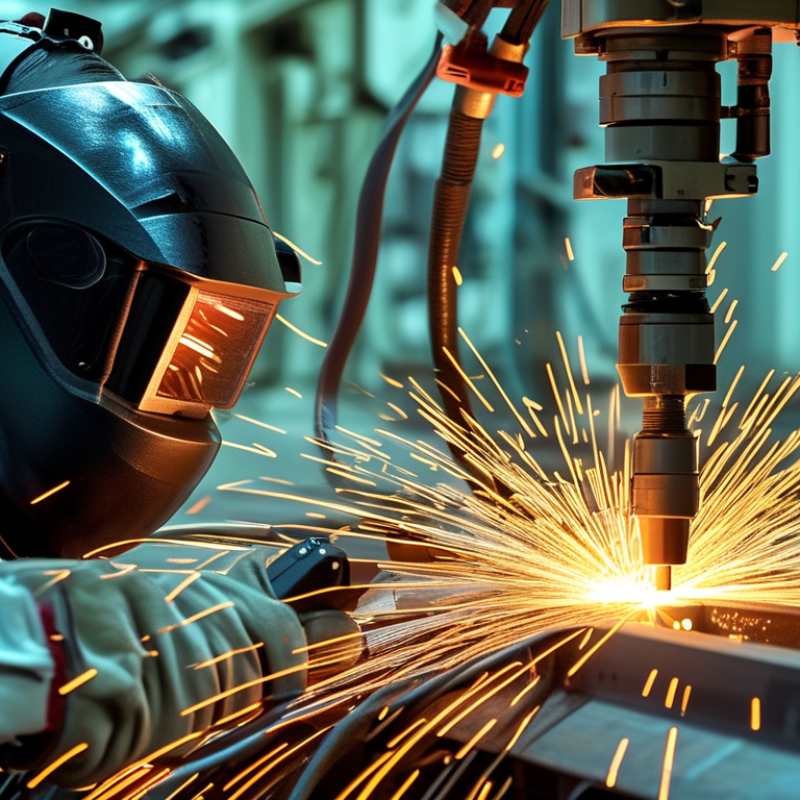
Overview of Ultrasonic Welding Technology in Wire Applications
Ultrasonic welding is a unique technology widely used in wire applications. This method employs high-frequency sound waves to create a solid bond between materials. The process is efficient and minimizes compatibility issues between different wire types. Unlike traditional methods, ultrasonic welding produces a clean and strong joint without the need for additional materials like adhesives.
One notable advantage is the precise control over process parameters. Ultrasonic welding allows for quick adjustments during production. This adaptability is crucial in high-speed manufacturing environments where specifications can change frequently. Another important detail is the energy savings. The process often requires less energy compared to conventional welding methods. However, some challenges can arise. Certain materials may require careful consideration of their acoustic properties for optimal results. This necessity highlights the importance of expertise in the field.
In addition to bonding, ultrasonic welders can also facilitate other tasks. They can be utilized for trimming and assembling wires, enhancing overall production efficiency. While ultrasonic welding is largely reliable, it relies on consistent monitoring and maintenance of equipment. Flaws can occur if machines are not properly calibrated. Therefore, understanding the technology is critical for ensuring high-quality results in wire applications.
Key Advantages of Ultrasonic Welders for Precision Wire Connections
Ultrasonic welders are increasingly recognized for their precision in wire applications. They leverage high-frequency vibrations to create strong, reliable connections. This method generates localized heat, ensuring minimal thermal impact on surrounding materials. As a result, it preserves the integrity of sensitive components, which is crucial in many industries.
Moreover, the speed of ultrasonic welding is impressive. It allows for quick production cycles and efficient assembly. This is especially beneficial for manufacturers striving to meet tight deadlines. However, achieving the best results requires careful attention to parameters like pressure and amplitude. Skipping these details can lead to weak joints that require rework.
Simplicity in operation is another key advantage of ultrasonic welders. With easy setup and monitoring, operators can become proficient quickly. However, some may overlook the need for regular maintenance. Neglecting routine checks might lead to equipment malfunctions, impacting production quality. Understanding these nuances can enhance the overall effectiveness of ultrasonic welding for wire applications.
Impact of Ultrasonic Welding on Production Efficiency and Cost-Effectiveness
Ultrasonic welding has emerged as a game-changer in manufacturing. Its impact on production efficiency is profound. This technology utilizes high-frequency sound waves to join materials, especially in wire applications. The process significantly reduces cycle times. Traditional methods can be slow and labor-intensive. In contrast, ultrasonic welding offers rapid bonding, resulting in fewer delays. Reduced time means an increase in output, which is crucial for competitive industries.
Cost-effectiveness is another critical benefit. With ultrasonic welding, energy consumption is lower than conventional methods. This reduction contributes to decreased operational costs. Moreover, the precision of ultrasonic welding minimizes waste. Fewer defects lead to higher quality products, reducing rework and returns. However, it's essential to note that proper training is necessary. Without skilled operators, the benefits may not be fully realized. As industries adopt this technology, balancing efficiency with reliability becomes key.
Comparison of Ultrasonic Welding vs. Traditional Wire Joining Methods
When comparing ultrasonic welding to traditional wire joining methods, several key advantages emerge. Ultrasonic welding uses high-frequency vibrations to bond materials, creating strong joints without additional materials. This process is efficient and produces minimal waste, which is beneficial for the environment. Traditional methods often rely on heat or adhesives, which can compromise material integrity and introduce flaws.
In terms of speed, ultrasonic welding is faster than traditional methods. The process typically takes seconds, which enhances production efficiency. Moreover, ultrasonic welding requires less power, leading to lower operational costs. Traditional methods may require lengthy setup times and greater energy consumption. The precision of ultrasonic welding reduces the risk of errors during assembly.
Tips: To maximize the benefits of ultrasonic welding, ensure the correct amplitude settings for your specific materials. This adjustment can significantly enhance bond strength. Consider the surface cleanliness of the wires. Contaminants can affect the quality of the weld, leading to weak joints. Regular training for operators also helps achieve consistent results and increases productivity.
Environmental and Safety Benefits of Using Ultrasonic Welders
Ultrasonic welders are revolutionizing wire applications with their unique benefits. One significant advantage is their environmental impact. According to industry reports, ultrasonic welding reduces energy consumption by up to 50% compared to traditional methods. This efficiency not only lowers costs but also minimizes the carbon footprint of manufacturing processes.
In terms of safety, ultrasonic welders pose fewer hazards. The process does not require flames or high-pressure machinery, which decreases workplace accidents. A study revealed that companies using ultrasonic technology reported a 30% reduction in workplace injuries. However, reliance on such technology may lead to complacency in safety protocols. Regular training and assessments are necessary to maintain a safe working environment.
Waste reduction is another area where ultrasonic welders excel. Traditional welding methods often produce significant scrap materials. In contrast, ultrasonic welding generates minimal waste. A report found that manufacturers experienced up to an 80% decrease in scrap when shifting to this method. Despite these benefits, the initial investment can be challenging for smaller companies. Finding a balance between cost and efficiency remains a consideration worth exploring.