Top 10 Benefits of Using an Ultrasonic Belt Welder for Your Business?
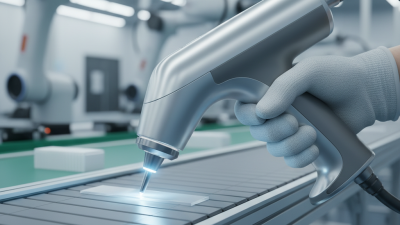
In today's competitive market, efficiency and quality are paramount. Businesses constantly seek innovative solutions to enhance production capabilities. The Ultrasonic Belt Welder stands out as a transformative tool for various industries. It employs ultrasonic technology, which generates high-frequency vibrations to bond materials seamlessly.
The benefits of using an Ultrasonic Belt Welder are noteworthy. This technology not only increases production speed but also achieves more precise welds. Reduced energy consumption is another compelling advantage. Many businesses have reported significant savings in operational costs by adopting this method.
However, integrating an Ultrasonic Belt Welder may require a learning curve. Employees might need proper training to maximize its capabilities. Every innovation has its challenges, and this equipment is no exception. By carefully considering these factors, businesses can leverage the Ultrasonic Belt Welder to their advantage and remain competitive in the ever-evolving market landscape.
Benefits of Enhanced Production Efficiency with Ultrasonic Belt Welders
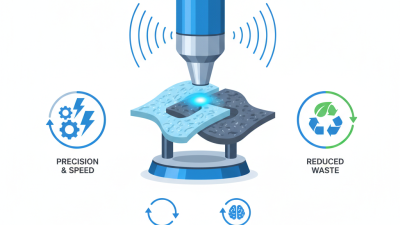
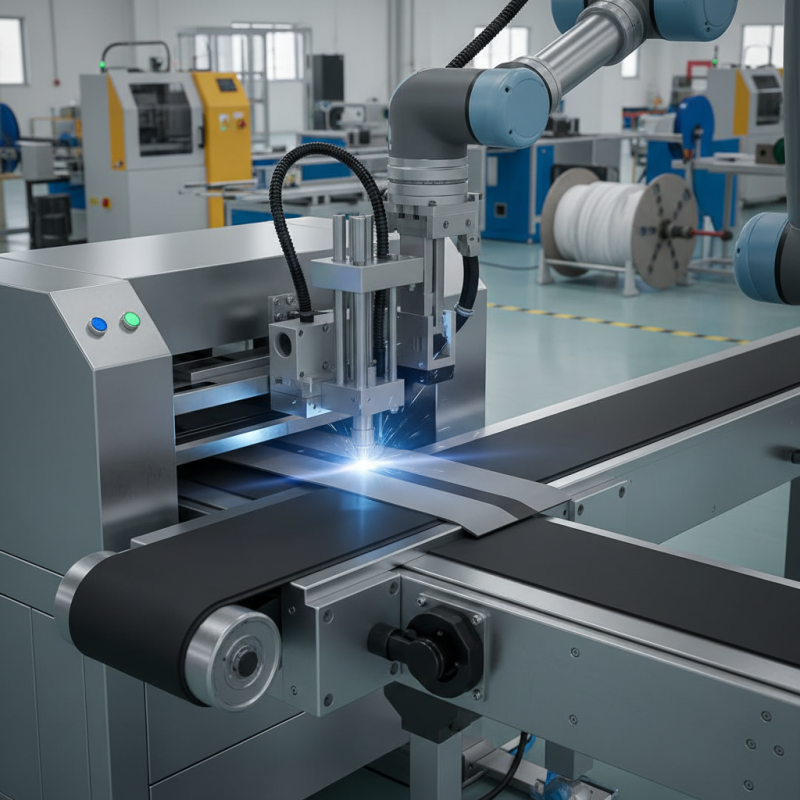
Ultrasonic belt welders offer significant improvements in production efficiency. They operate by using high-frequency vibrations to bond materials together. This process requires less energy and reduces the need for additional adhesives. As a result, manufacturers experience a faster production rate.
These welders can create strong bonds quickly. Instead of waiting for adhesives to cure, ultrasonic welding provides immediate results. This means less downtime and more output. Companies can meet tight deadlines without compromising quality. However, some might find the initial investment costly. It's essential to balance cost and benefits carefully.
Another advantage is the precision of ultrasonic welders. They minimize material wastage and enhance product durability. A well-executed weld can lead to a more consistent product. While this technology is effective, occasional calibration is necessary. It’s crucial to maintain the equipment for optimal results. Overall, ultrasonic belt welders are a valuable addition to manufacturing processes.
Top 10 Benefits of Using an Ultrasonic Belt Welder for Your Business
Cost Savings Resulting from Reduced Material Waste in Ultrasonic Welding
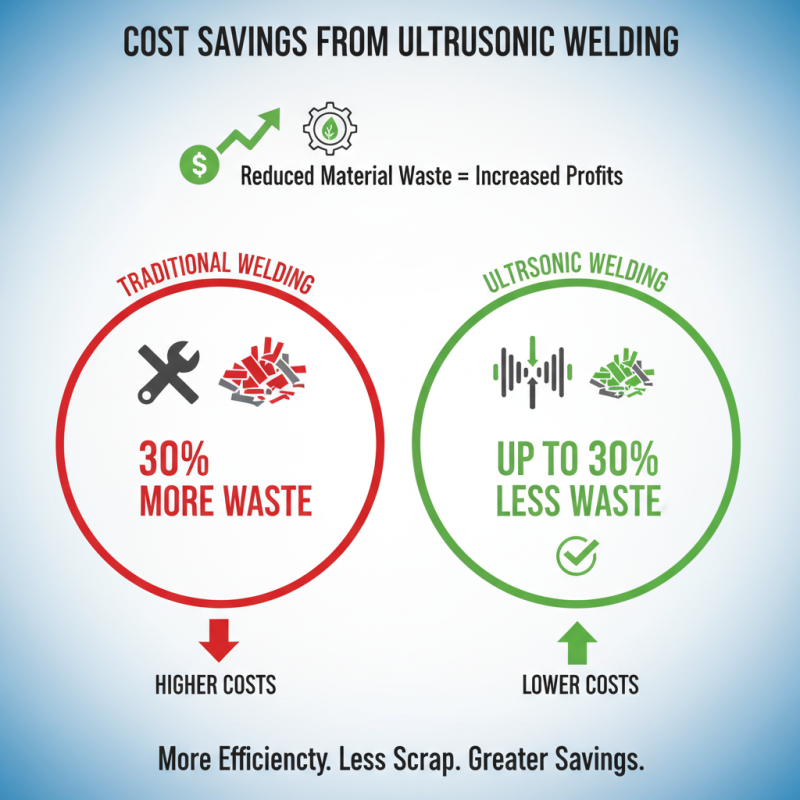
Ultrasonic welding is gaining attention in various industries for its efficiency. One significant benefit is the reduction in material waste. Traditional welding methods often lead to excessive scrap rates, costing companies valuable resources. Studies indicate that ultrasonic welding can cut material waste by up to 30%. This dramatic decrease directly translates to cost savings, allowing businesses to allocate resources more effectively.
Moreover, the precision of ultrasonic welders minimizes the amount of excess material used during the manufacturing process. A report from a leading industry analyst shows that companies implementing ultrasonic welding have reduced operational costs by 25%. Such savings can propel businesses ahead of their competition. Despite the initial investment, many find the long-term benefits outweigh upfront costs.
It's important to reflect on the challenges. Transitioning to ultrasonic welding systems requires careful training and understanding. Failure to adapt can lead to inefficiencies. Nonetheless, as industries strive for sustainability, ultrasonic welders present a compelling case for reducing waste and improving profit margins.
Quality Improvements: The Role of Ultrasonic Welders in Product Consistency
Ultrasonic welders play a crucial role in enhancing product consistency and overall quality. These machines use high-frequency sound waves to join materials, creating strong, reliable bonds. This process reduces the likelihood of defects. A consistent product quality leads to better customer satisfaction. Over time, this can significantly enhance your brand reputation.
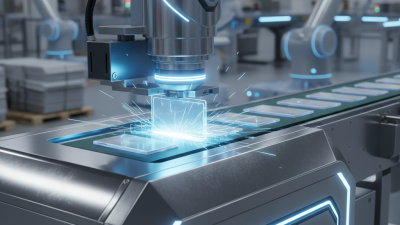
Using an ultrasonic belt welder can streamline production. The speed and efficiency of these welders minimize the time spent on each unit. Quick processing means less downtime, allowing for higher output. However, not all materials respond well to ultrasonic welding. Conduct thorough tests to ensure compatibility.
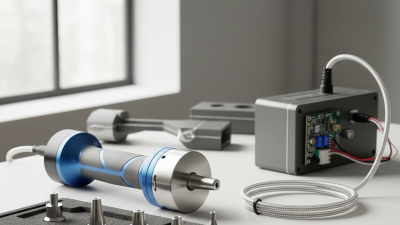
Tips: Always calibrate your ultrasonic welder for optimal performance. A well-calibrated machine prevents uneven welds. Regular maintenance is essential too. It can reduce errors and prolong the machine’s lifespan. Keep track of your production metrics. Analyzing these numbers helps identify areas needing improvement.
Safety and Ergonomics: Reducing Workplace Hazards with Ultrasonic Technology
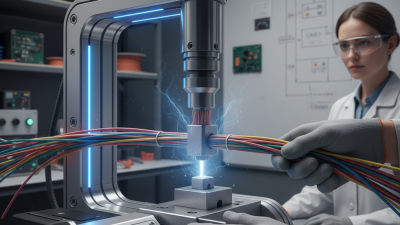
When it comes to workplace safety, ultrasonic technology stands out. The design of ultrasonic belt welders minimizes hazards associated with traditional welding methods. Workers face fewer risks from open flames or toxic fumes. This technology ensures a cleaner and safer environment. Employees can focus more on their tasks without worrying about their health.
Ergonomics is another advantage of ultrasonic welders. These machines are often lighter and easier to handle. This reduces physical strain on workers, which can lead to fewer injuries. The use of advanced technology means workers can achieve precise results with less effort. However, some operators may need time to adapt to the new equipment. Training should be comprehensive to maximize safety and efficiency.
Furthermore, reliability is essential. Ultrasonic welders provide consistent results, which decreases the likelihood of errors. However, occasional failures can occur, leading to down time. Regular maintenance is critical to ensure that machines operate smoothly. Identifying and addressing potential issues proactively can enhance overall workplace safety.
Environmental Impact: Sustainability Benefits of Ultrasonic Belt Welding Solutions
Ultrasonic belt welding is gaining traction for its sustainable approach to manufacturing. The process significantly reduces waste compared to traditional methods. Reports indicate that ultrasonic welding can minimize material waste by up to 50%. This is due to its precise energy application, which bonds materials with minimal excess.
Another notable eco-friendly benefit is energy efficiency. Ultrasonic welders consume less energy than conventional welding processes. Research shows that they operate at about 80% less energy, contributing to lower carbon footprints. This efficiency not only supports sustainability but also reduces operational costs.
Furthermore, ultrasonic welding solutions are versatile. They can join various materials, including plastics and metals. This flexibility allows companies to explore sustainable materials more easily. However, industries must recognize that not all applications may yield perfect results. Maintenance and setup require skilled technicians to optimize performance. Striking a balance between efficiency and quality remains a challenge.