Best Ultrasonic Welder For Sale How to Choose the Right One?
Choosing the right ultrasonic welder for sale is critical for manufacturers and engineers. This technology offers precision in joining materials, which is vital in many industries. According to expert Robert Johnson, "Selecting the best ultrasonic welder can significantly impact production quality." His insight emphasizes the importance of informed choices in this field.
When searching for an ultrasonic welder for sale, consider specific requirements. Evaluate factors such as material compatibility, power settings, and the size of the unit. It's essential to be aware that not all welders meet every need. Some units might lack the necessary features for more complex projects.
Additionally, reliability in performance can vary among brands. Visiting trade shows and reading user reviews can provide practical perspectives. It is also worthwhile to factor in potential upgrades or a lack thereof. Reflecting on these aspects can lead to a smarter investment in ultrasonic welding technology.
Understanding Ultrasonic Welding Technology
Ultrasonic welding technology revolutionizes the way components are joined. This method utilizes high-frequency ultrasonic vibrations to create localized melting at the interface of materials. A report from the International Ultrasonic Welding Foundation highlights that this technique can achieve joint strengths comparable to that of the base materials. It’s efficient and minimizes thermal distortion, making it a preferred choice in industries like automotive and electronics.
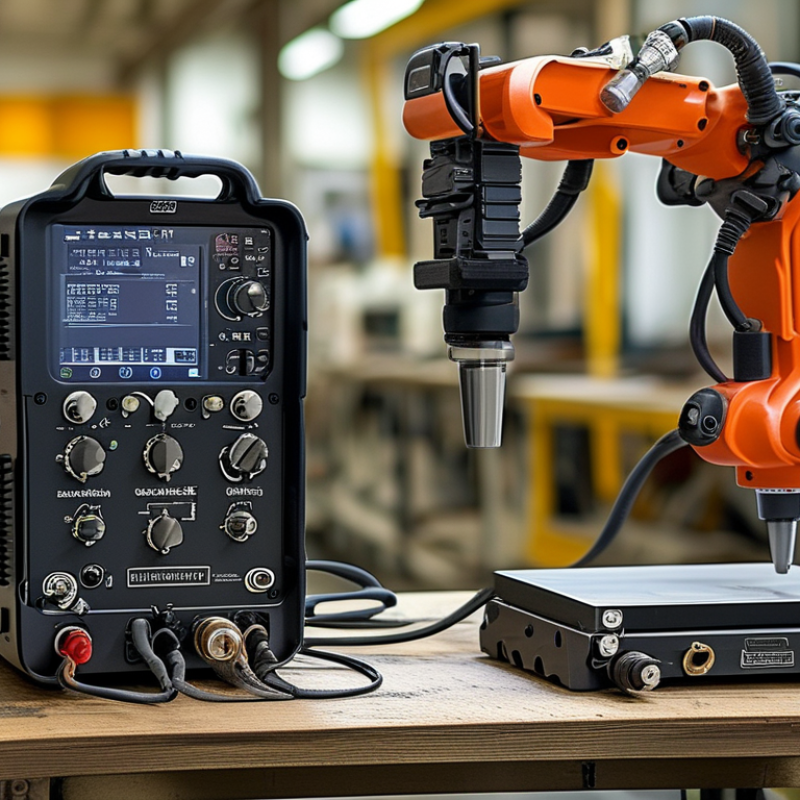
Understanding how ultrasonic welding works is crucial for making informed choices. The process requires a transducer that converts electrical energy into mechanical vibrations. These vibrations are then transmitted through a sonotrode, applying pressure to the workpieces. According to a study by the American Welding Society, using ultrasonic welding can reduce production time by up to 50%. Many engineers appreciate this speed but acknowledge that careful setup is critical.
Nevertheless, challenges exist in achieving consistent results. Material compatibility and surface cleanliness significantly affect weld quality. Some users report difficulty in welding complex geometries or dissimilar materials. This uncertainty can lead to variability in production. Maintenance of the welding equipment also plays a role in ensuring reliability and performance. Addressing these issues demands both technical knowledge and hands-on experience in ultrasonic welding processes.
Key Features to Consider in an Ultrasonic Welder
When selecting an ultrasonic welder, understanding key features is vital. One important aspect is the frequency range. Most ultrasonic welders operate between 20 kHz and 40 kHz. The choice affects the precision and quality of the weld. A higher frequency often allows for finer materials but may require more careful handling. According to industry reports, 30 kHz is the most popular frequency for general applications. This balance provides efficiency in production without compromising weld integrity.
Another critical feature is power output. Ultrasonic welders can range from 500 to 5000 watts. Higher wattage can improve welding speed, but it must be matched to the materials used. Overvoltage can cause material damage, leading to defects. A recent study indicated that weld strength increases significantly with optimal power settings, while excessive power resulted in inconsistent results.
Consideration should also be given to the tooling. The design of the ultrasonic horn is essential for effective energy transfer. Advanced horns can enhance performance by minimizing energy loss. In fact, improper horn designs have led to a 15% decrease in welding efficiency in some production cases. Choosing the correct tooling is as important as selecting the welder itself.
Best Ultrasonic Welder For Sale - Key Features to Consider
| Feature |
Description |
Importance |
| Power Output |
Measured in watts, affects the speed and effectiveness of welding. |
High |
| Frequency |
Typically ranges from 20kHz to 40kHz; impacts the type of materials that can be welded. |
Medium |
| Control Mechanism |
Digital controls allow for precise adjustments, improving weld quality. |
High |
| Size and Weight |
Smaller, lighter models are easier to maneuver, but may have lower power. |
Medium |
| Accessories |
Additional tools can enhance functionality, including different tips and fixtures. |
Low |
| Warranty |
A good warranty indicates manufacturer confidence and can cover repairs. |
High |
Types of Ultrasonic Welders Available on the Market
When exploring ultrasonic welders, it's essential to understand the types available. Each type serves a unique purpose in various industries, impacting decisions significantly. One common type is the rotary ultrasonic welder. This design facilitates welding thin materials. It's efficient for joining intricate components, making it popular in electronics.
Another option is the bench-top ultrasonic welder. These units are versatile and compact. They are suitable for low-volume production. Users often appreciate their ease of use and adaptability. However, they may not be ideal for large-scale operations, where the output might be insufficient. Reflecting on performance versus need is crucial in this choice.
Lastly, look into handheld ultrasonic welders. Ideal for fieldwork, they offer portability. They enable on-the-spot repairs or assembly, a plus for many users. However, the precision can vary, requiring skill. Each type has merits but also limitations. Understanding these can lead to more informed choices tailored to specific welding needs.
How to Evaluate the Performance of Ultrasonic Welders
When evaluating the performance of ultrasonic welders, several key factors should be considered. Start by examining the welding frequency. A higher frequency often results in better precision. This can significantly impact the quality of the welds produced. Look for machines that offer adjustable frequencies for flexibility in operations.
Next, consider the welding power. It should be sufficient for the materials being used. Insufficient power can lead to weak welds, which require rework. Power settings that are too high can cause overheating or burning of the materials. It’s crucial to strike a balance.
Another aspect to assess is the machine's energy efficiency. An efficient ultrasonic welder reduces energy costs and is more environmentally friendly. However, achieving optimal efficiency can be tricky. It may involve trial and error to find the best settings for specific applications. Remember, even experienced operators can face challenges in achieving consistent results. Reviewing user feedback and performance reports can provide insights into real-world challenges.
Budgeting for Your Ultrasonic Welder Purchase
When budgeting for an ultrasonic welder, understanding costs is vital. A basic model can start at around $2,000, while advanced machines may exceed $20,000. Factors influencing price include power output, frequency, and features. Custom configurations often raise expenses significantly. It's essential to determine what fits your specific needs and production goals.
Consider the overall cost of ownership. Maintenance and operational costs matter as much as the initial purchase price. Industry reports indicate that maintenance can add up to 10% of the purchase price annually. This is an often-overlooked factor in budgeting. Also, consider the potential return on investment. If a welder improves efficiency, it might justify spending more upfront.
Don’t forget hidden costs. Training employees to operate the equipment safely can be expensive. This training is crucial to avoid mistakes that lead to costly production downtimes. Evaluating all these elements will make your purchasing decision more informed. Balancing your budget is not just about finding the lowest price. It's about understanding the complete picture.
Ultrasonic Welder Price Comparison
This chart compares the prices of various ultrasonic welder models. As you can see, the prices vary significantly, with Model B being the most expensive option, while Model D offers a more budget-friendly alternative.