2026 How to Choose the Best Green Ultrasonic Welder?
In the rapidly evolving world of manufacturing, choosing the right equipment is crucial. The "Green Ultrasonic Welder" is a game-changer for sustainable production processes. Expert Dr. Emily Wang, a leading figure in ultrasonic technology, emphasizes, "The right welder can significantly reduce energy consumption and waste."
The market offers various options, making selection challenging. It's essential to consider several factors, including energy efficiency and compatibility with materials. Many companies overlook these details, resulting in suboptimal choices. A reliable Green Ultrasonic Welder should minimize environmental impact while maintaining high performance.
Investing in the right technology not only supports eco-friendly practices but also enhances productivity. Focusing on quality and efficiency will lead to better long-term results. As Dr. Wang states, "Choosing wisely today paves the way for greener manufacturing tomorrow." Reflection on past decisions can guide better choices in future projects.
Understanding Green Ultrasonic Welding Technology and Its Benefits
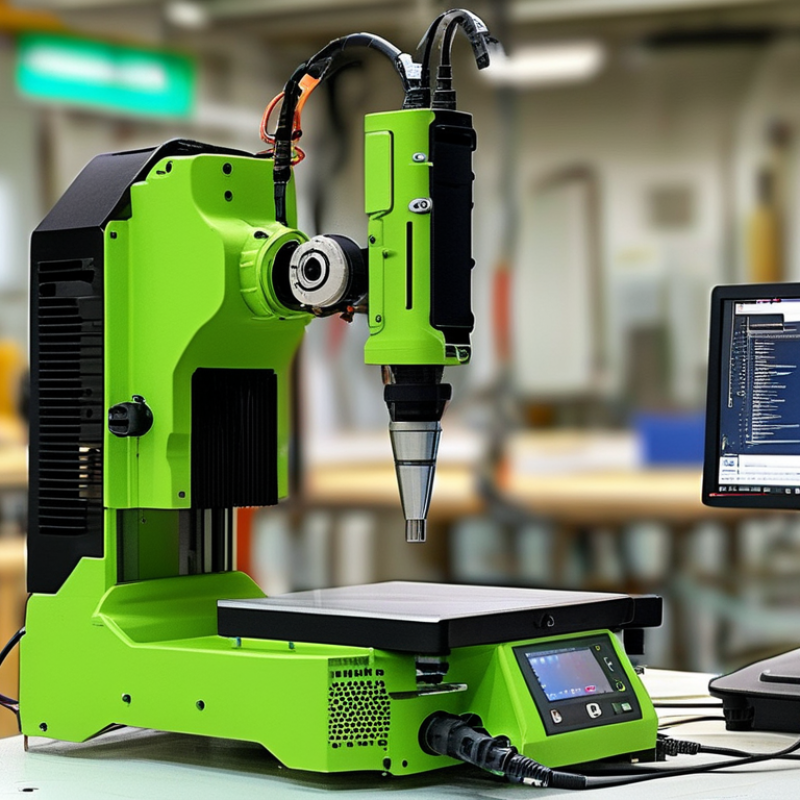
Green ultrasonic welding is an innovative technology that focuses on energy efficiency and environmentally friendly practices. This process generates minimal waste while providing strong, reliable bond connections. It finds applications in various industries, including automotive, electronics, and packaging. By utilizing ultrasonic energy, manufacturers can reduce their carbon footprint and enhance product quality.
Integrating green ultrasonic welding can lead to significant cost savings. The technology reduces power consumption during production. Moreover, the quick bonding process cuts down on production time, boosting overall efficiency. This combination is increasingly attractive to businesses aiming for sustainability. There's also a growing market demand for eco-friendly products.
**Tips:**
Consider your specific application needs when selecting a welder. Different materials may require varying parameters for optimal results. Also, prioritize equipment from reputable manufacturers with proven track records. Remember that the initial setup might require adjustments. These details are crucial for achieving the best outcomes. Keep an open mind about experimenting with settings.
Key Features to Look for in a Green Ultrasonic Welder
When choosing a green ultrasonic welder, several key features play a critical role. The welder's
energy efficiency directly impacts your production costs. According to industry reports, adopting
energy-efficient machinery can reduce costs by up to 30%. This is significant for businesses aiming to lower their
carbon footprints while maintaining profitability.
Another important aspect is the frequency range of the ultrasonic welder. Most effective welders operate between
20 kHz and 40 kHz. This range ensures
precision and optimal bonding for various materials. Understanding the right frequency for your specific applications can greatly
enhance welding quality.
Tip: Always consider the
material compatibility of the ultrasonic welder. Testing welds on small samples can prevent costly mistakes.
Lastly, ease of maintenance should not be overlooked. A welder that requires frequent repairs can disrupt production. Look for
models designed with accessibility in mind. Simplified maintenance can lead to less
downtime and more efficient operations. Remember, while advanced features are appealing, practicality is vital for success.
Evaluating the Performance and Efficiency of Ultrasonic Welders
When evaluating the performance and efficiency of ultrasonic welders, consider several key factors. The first aspect is power output. This significantly impacts the weld quality. Higher power often leads to better fusion, but too much can damage delicate materials.
Next, assess the frequency of the ultrasonic waves. Most welders operate within specific frequency ranges. These frequencies determine how well materials bond. A mismatch can lead to weak welds or increased cycle times. Understanding the material you're working with can enhance the selection process.
Also, pay attention to the machine's duty cycle. Some machines might struggle under continuous use. This could compromise their efficiency. Durability is crucial; wear and tear can affect performance over time. User experience and feedback can offer valuable insights. Gathering data from various sources will help ensure a reliable choice.
Considerations for Sustainability and Energy Consumption
When considering a green ultrasonic welder, energy consumption is pivotal. Efficient energy use greatly reduces environmental impact. Recent studies indicate that ultrasonic welding can reduce energy consumption by up to 50% compared to traditional welding methods. This substantial figure highlights the growing importance of sustainability in manufacturing processes.
Sustainability also extends to material compatibility. The right ultrasonic welder can bond various materials without harmful emissions. Reports show a rise in demand for eco-friendly manufacturing solutions. Companies focusing on these aspects often see a 30% increase in consumer interest. However, without adequate research, businesses may struggle to find sustainable options. It’s crucial to assess energy-efficient models that align with corporate responsibility goals.
Another factor involves equipment lifespan. Higher quality welders typically last longer, resulting in fewer replacements. This not only conserves resources but also minimizes waste. A comprehensive analysis reveals that investing in durable technology can cut overall lifetime energy costs substantially. Yet, some manufacturers still overlook these details, leading to potential regrets down the line. Prioritizing sustainability means making informed choices today for a better tomorrow.
Comparing Different Brands and Models of Green Ultrasonic Welders
When choosing a green ultrasonic welder, brand and model are crucial factors. Several reports indicate that efficiency and effectiveness vary significantly across different options. For example, a recent industry study shows that some models achieve up to 30% energy savings compared to traditional welding techniques. This efficiency can lead to reduced operational costs over time.
Additionally, the technology in these welders is constantly evolving. A comparison of various brands reveals that some incorporate advanced features for enhanced precision. However, not all models deliver consistent results. Some users have reported challenges with certain designs, leading to concerns about reliability. The ability to adjust parameters is often a key differentiator in performance.
It's essential to consider user feedback when evaluating models. Many industry experts recommend seeking thorough reviews and performance tests. Data shows that around 40% of buyers prioritize after-sales support as a deciding factor. This insight suggests that ongoing customer service may impact long-term satisfaction with the product. Recognizing these nuances can guide buyers toward making informed decisions.
2026 How to Choose the Best Green Ultrasonic Welder?
| Model |
Power Output (Watts) |
Frequency (kHz) |
Material Compatibility |
Weight (kg) |
Price Range (USD) |
| Model A |
2000 |
20 |
Plastic, Fabric |
25 |
$800 - $1000 |
| Model B |
1500 |
30 |
Metal, Composite |
30 |
$600 - $800 |
| Model C |
2500 |
20 |
Plastic, Wood |
28 |
$900 - $1200 |
| Model D |
1800 |
35 |
Fabric, Composites |
22 |
$700 - $900 |
| Model E |
2100 |
25 |
Plastic, Rubber |
27 |
$950 - $1100 |