Ultimate Tips for Choosing Handheld Ultrasonic Welders?
Choosing the right Ultrasonic Welder Handheld can significantly impact your projects. With various models available, the selection process can be daunting. It's crucial to understand the fundamental features that distinguish one welder from another. An effective ultrasonic welder should be reliable, precise, and suited for your specific needs.
Experience in the field plays a vital role in making an informed decision. Do your research and learn from industry experts. Consider the type of materials you will be working with. Different welders excel with different plastics, such as polypropylene or polycarbonate. This knowledge enhances your selection process.
Also, remember that even trusted brands have their limits. Occasionally, a specific model may not meet expectations. Seeking user reviews can provide insights into real-world performance. Analyze both positive and negative feedback to gauge the welder's reliability. By doing so, you can make a confident choice that aligns with your requirements.
Understanding the Basics of Handheld Ultrasonic Welders
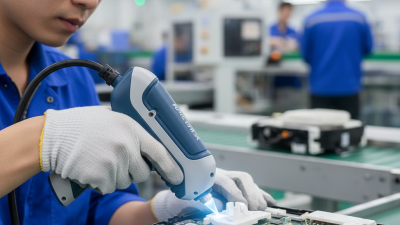
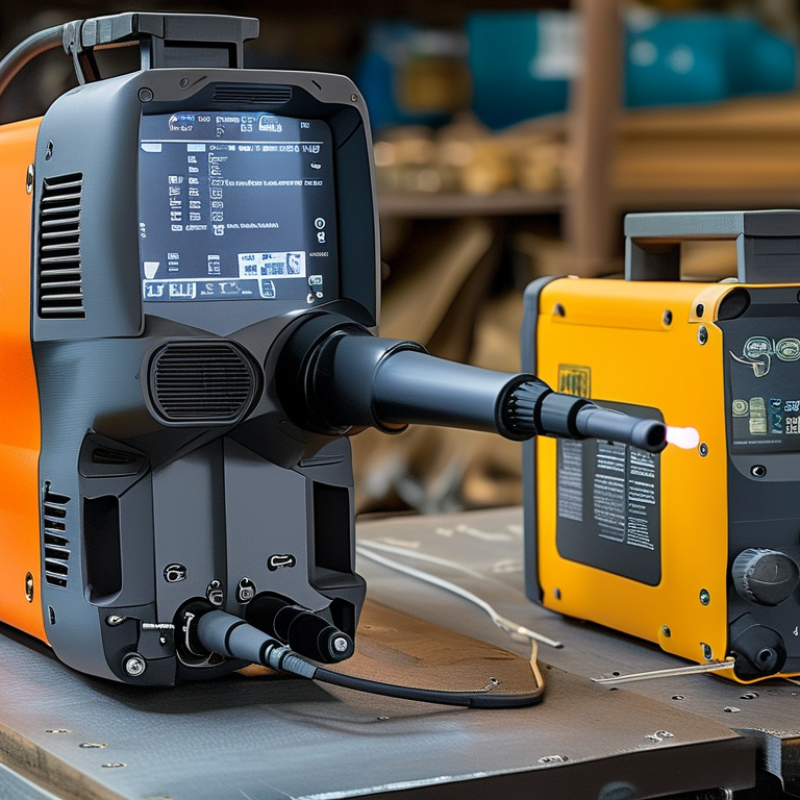
Handheld ultrasonic welders are versatile tools. They use high-frequency sound waves to join materials like plastics and metals. Understanding their basics can help users make informed choices. These devices generate ultrasonic vibrations, creating heat at the molecular level. This process leads to strong, consistent welds. Users should know the materials they plan to work with for optimal results.
Safety is crucial when using these welders. Although they are generally safe, there are risks of burns or noise exposure. Proper protective gear is essential. Operators should also be aware of their surroundings. Training can help reduce accidents. Familiarity with machine settings will enhance the welding process. Inexperience can lead to poor weld quality or material damage.
The learning curve for ultrasonic welding can be steep. Experimenting with different settings can yield varied results. Mistakes may occur, teaching users valuable lessons. Reflecting on past projects can improve techniques. Understanding the machine’s capabilities is vital. Ultimately, hands-on experience, along with observation, will refine skills over time.
Key Features to Look for in Handheld Ultrasonic Welders
When choosing handheld ultrasonic welders, a few key features stand out. One critical aspect is the power output. Higher power ratings generally translate to faster welding, especially in thicker materials. It's essential to understand your specific application. A welder that works well for thin films may not perform effectively with more robust substrates.
Additionally, consider the frequency of the ultrasonic waves. Most handheld welders operate between 20 kHz and 40 kHz. This frequency range can impact the quality of the weld. A higher frequency can produce finer welds but may not penetrate thicker materials effectively. Understanding the material types you'll be working with aids in making the right choice.
Weight and ergonomics are also significant. A lightweight welder allows for extended use without fatigue. Pay attention to the grip and overall design as these can influence handling during longer projects. Often, users overlook these aspects, focusing purely on weld strength. Take time to reflect on how each feature influences usability and efficiency in real-world applications.
Ultimate Tips for Choosing Handheld Ultrasonic Welders
| Feature |
Description |
Importance Level |
| Power Output |
Consider the wattage and output specifications for effective welding. |
High |
| Frequency |
Check the operating frequency for compatibility with materials. |
High |
| Ergonomics |
Look for a lightweight design and comfortable grip for ease of use. |
Medium |
| Portability |
Assess if the device is easy to transport and set up. |
High |
| Durability |
Ensure the welder is constructed with robust materials for longevity. |
High |
| Control Features |
Evaluate the ease of adjusting settings and monitoring performance. |
Medium |
| Safety Features |
Look for built-in safety mechanisms to protect users during operation. |
High |
| Maintenance Requirements |
Check how easy it is to maintain and repair the unit. |
Medium |
| Price |
Compare the cost relative to features and long-term value. |
High |
Factors That Influence the Performance of Ultrasonic Welders
When selecting a handheld ultrasonic welder, various factors can significantly impact its performance. The frequency of the ultrasonic waves is crucial. Typically, higher frequencies lead to more precise welds. However, it might not be suitable for thicker materials. Understanding the material composition is essential. Different plastics require different frequencies to achieve optimal welding results.
The power output of the welder affects its efficiency. A welder with adjustable power settings allows users to adapt based on the material's thickness and type. This flexibility can enhance the quality of the weld and reduce errors. Effective heat dissipation mechanisms are also necessary. Poor heat management can lead to weld defects and equipment damage over time.
Consider user training as another vital aspect. Proper training ensures operators understand machine capabilities and limitations. Investing time in training can reduce waste and enhance manufacturing output. Regular maintenance checks are also important. They help maintain high performance and reliability. Often, overlooked, poor upkeep can lead to unexpected downtimes.
Common Applications for Handheld Ultrasonic Welders
Handheld ultrasonic welders are versatile tools used in various industries. They excel in applications like plastic welding, metal joining, and even food packaging. In the automotive sector, these welders help join components with precision. This minimizes warping and ensures strong bonds. Medical device manufacturers also rely on them for creating sterile seals.
The nuances of using handheld ultrasonic welders can be tricky. Operators often need to refine settings for different materials. Improper adjustments can lead to weak joints. It's essential to understand thickness and types of materials. Not every project will yield perfect results; learning from mistakes is part of the process. Industries may experience trial and error to master these tools effectively.
Given the diversity of applications, training is crucial. Users should familiarize themselves with different techniques. Effective training around operator safety is also necessary. As they gain experience, users become adept at identifying optimal settings. However, even seasoned operators should continuously evaluate their approach. Mistakes can happen, and each project presents unique challenges. Adapting and learning are key components of successful welding practices.
Maintenance Tips for Longevity of Ultrasonic Welders
Ultrasonic welders are invaluable tools in various manufacturing sectors, but they require routine maintenance for longevity. Regularly inspecting the device plays a crucial role. Check for any wear and tear on the ultrasonic stack and the sonotrode. Over time, these components can degrade. If you notice any irregularities, address them promptly. This simple action can prevent costly repairs down the line.
Cleaning the welder is another essential step. Dirt and debris can significantly impact performance. Use appropriate cleaning agents and methods to avoid damaging sensitive parts. Remember to handle electronic components with care. The connectors and wires must be kept free of dust. Neglect in this area can result in poor connections and reduced efficiency.
Calibration is often overlooked but critical for optimal functionality. Regular recalibration ensures that your ultrasonic welder operates perfectly within specifications. A slight misalignment can lead to ineffective welds. Evaluate the calibration settings periodically to guarantee consistent results in your projects. While it might seem tedious, taking these steps will ensure your equipment remains reliable and efficient over time.
Ultimate Tips for Choosing Handheld Ultrasonic Welders