Leave Your Message

China Top Waterproof Ultrasonic Transducer Manufacturers

China has become a major sourcing base for reliable ultrasonic components, including the Waterproof Ultrasonic Transducer. Its manufacturers serve cleaning equipment, level sensors, marine devices, medical systems, and industrial automation. Their capabilities differ widely, however. Buyers should examine engineering evidence, not only attractive prices.

Professor B. A. Auld, a respected authority on ultrasonic transducers, stated, “The transducer is the interface between electrical energy and acoustic energy.” This principle remains practical today. A waterproof model must transfer energy efficiently while resisting water, pressure, vibration, and temperature changes. Its sealing compound, housing material, cable design, and piezoelectric element all influence performance.

Experienced Chinese manufacturers usually provide frequency ranges, sensitivity data, impedance results, and protection ratings. Strong suppliers also conduct aging tests, immersion tests, and batch inspections. A production line may include automated bonding, controlled curing ovens, and acoustic testing tanks. These details reveal more than a polished catalogue.

Still, the market is not perfectly uniform. Some suppliers publish incomplete test conditions. Others use “waterproof” too broadly. This deserves careful questioning. Is the unit IP-rated? For how long? At what water depth and temperature?

This guide examines China’s top Waterproof Ultrasonic Transducer manufacturers through product quality, customization ability, testing discipline, technical support, and industry experience. It also considers practical concerns, such as connector corrosion, unstable frequency output, and delayed samples. The strongest manufacturer is not always the largest. It is the supplier that can explain its design choices clearly and prove them consistently.
China Top Waterproof Ultrasonic Transducer Manufacturers

What Are Waterproof Ultrasonic Transducers?

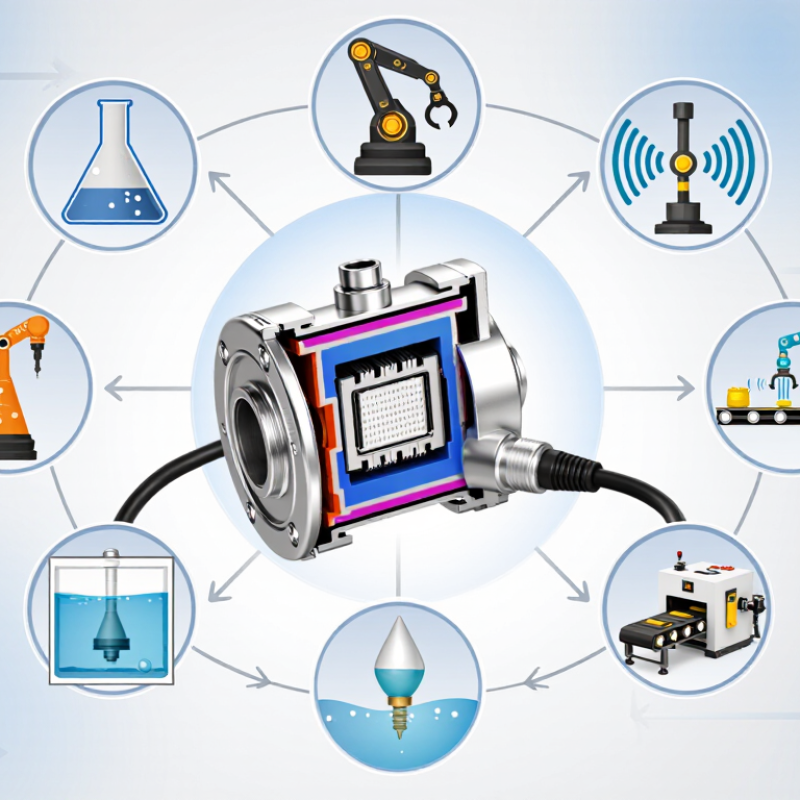
Waterproof ultrasonic transducers are sensor components designed to send and receive high-frequency sound underwater or in wet environments. A piezoelectric element changes electrical energy into ultrasonic vibrations. It then converts returning echoes into electrical signals. These signals can reveal distance, liquid level, flow conditions, or hidden objects.

A sealed housing protects the ceramic element, wiring, and internal connections from water. Common housings use stainless steel, engineered plastics, or other corrosion-resistant materials. The design must also control acoustic loss through the protective face.

Frequency affects performance. Lower frequencies usually travel farther, while higher frequencies can detect smaller details. In practical testing, technicians should check sensitivity, beam angle, operating temperature, and pressure resistance.

Waterproof does not mean suitable for every depth. An ingress rating alone may not describe long-term underwater performance. Ask for test conditions, sealing methods, cable specifications, and electrical data before purchasing. A transducer may work well in a clean tank but respond poorly in muddy water, foam, or strong turbulence. Installation also matters. Misalignment, air bubbles, and loose mounting can weaken the echo. Small mistakes are easy to overlook. Careful calibration remains necessary, even when the sensor appears rugged.
Key Technologies Used in Waterproof Ultrasonic Transducer Design

China Top Waterproof Ultrasonic Transducer Manufacturers

Key Technologies Used in Waterproof Ultrasonic Transducer Design

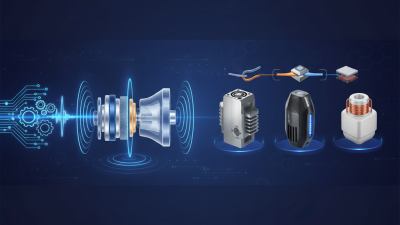
Waterproof ultrasonic transducers rely on stable piezoelectric ceramics and carefully tuned acoustic structures. The ceramic converts electrical pulses into sound waves. A matching layer helps transfer energy into water or wet materials. Its thickness must suit the operating frequency. Small errors can reduce sensitivity.

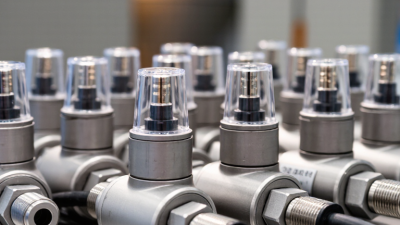
Engineers commonly use sealed stainless steel or titanium housings for demanding environments. Epoxy potting protects internal wiring from moisture and vibration. O-rings, cable glands, and welded joints provide additional sealing paths. Every interface matters. A single weak seal can cause gradual failure.

Design teams test insulation resistance, acoustic output, pressure tolerance, and temperature cycling. Some assemblies require IP68-level protection, but an IP rating alone does not prove long-term reliability. Continuous immersion, salt exposure, and repeated heating can reveal hidden defects. Field measurements should confirm laboratory data. In practice, no design is flawless; excessive potting may improve sealing but also dampen vibration. Engineers must balance protection, bandwidth, sensitivity, and production consistency. Careful inspection of ceramic bonding and cable strain relief remains essential.

How China Manufactures Waterproof Ultrasonic Transducers

China Top Waterproof Ultrasonic Transducer Manufacturers

How China Manufactures Waterproof Ultrasonic Transducers

Waterproof ultrasonic transducers begin with carefully matched piezoelectric ceramic elements. Engineers select the ceramic by frequency, capacitance, and vibration consistency. The element is bonded inside a stainless steel or polymer housing. Small details matter. Bond thickness affects acoustic output and resonance stability.

Manufacturers then seal the assembly with controlled epoxy or molded insulation. O-rings, threaded joints, and cable glands receive close attention. Water finds weak points. Operators check curing temperature and time with recorded process data. CNC machining keeps housing dimensions consistent, while trained technicians inspect surfaces under bright lighting. Each unit can undergo impedance testing, frequency testing, and sensitivity measurement before shipment.

Reliable factories also perform leak testing and temperature cycling. Some tests use pressure tanks, while others simulate long underwater operation. Results should connect to batch records and inspection reports. This traceability supports practical quality control. However, production is not always perfect. A minor air gap may reduce transmission efficiency, even when the exterior looks clean. Engineers must review failed samples instead of hiding them. Better fixtures, cleaner bonding surfaces, or slower curing may solve the issue. Customer requirements still determine the final sealing method, cable design, and protection level. Careful feedback between design and production remains essential for stable waterproof performance.

Criteria for Evaluating China’s Leading Manufacturers

China Top Waterproof Ultrasonic Transducer Manufacturers

Evaluating China’s leading manufacturers requires evidence, not attractive catalogs. The International Federation of Robotics reported 541,302 industrial robot installations worldwide in 2023. This growth increases demand for stable sensing components in washdown and outdoor systems. Manufacturers should publish frequency tolerance, sensitivity, impedance, sound pressure, and detection range. These figures must match independent test records.

Waterproof performance deserves close attention. Ask for IP test reports, sealing materials, operating temperature data, and salt-spray results. ISO 20653 provides a recognized framework for road-vehicle protection ratings, while IEC 60529 defines IP enclosure testing. These standards do not prove every application will succeed. Therefore, request samples and test them under vibration, condensation, pressure, and repeated cleaning. Production consistency also matters. Review traceability, incoming-material controls, calibration methods, defect data, and batch inspection records. A low quoted price can hide unstable performance. That happens.

Tips: Compare three sample batches, not one unit. Check the same frequency under identical voltage. Request a corrective-action record for past failures. Confirm technical support response times and realistic lead times. Certifications should be verifiable, current, and linked to the actual model. My practical concern is often overlooked: factory capacity may look strong during an audit, yet subcontracting can change quality. Ask who performs ceramic assembly, sealing, testing, and final inspection. Independent laboratory data adds credibility, but field trials remain essential.

Applications and Purchasing Considerations for Waterproof Transducers

Waterproof ultrasonic transducers support reliable sensing in tanks, pipelines, outdoor equipment, and underwater inspection systems. Their sealed construction helps resist splash, humidity, dust, and temporary immersion. In wastewater tanks, they can monitor liquid levels without touching contaminated fluids. In marine devices, they assist with distance measurement and obstacle detection. Performance still depends on water temperature, mounting angle, and signal interference.

When comparing China-based manufacturers, examine frequency, sensitivity, beam angle, operating depth, and temperature range. The housing material matters, especially in saltwater or chemical environments. Request test reports, sealing details, wiring diagrams, and sample units before placing a large order. An IP rating is useful, but it does not prove long-term underwater reliability. Ask how the supplier performs pressure, aging, and cable-bending tests. A perfect specification rarely exists. Real installation conditions may expose weaknesses that laboratory sheets overlook.

Tips: Match the transducer frequency to your target distance and material. Test it inside the actual tank or enclosure. Check connector sealing carefully. Confirm batch consistency and after-sales response. Keep written records of test results, because memory becomes unreliable during repeated sourcing. A lower price can help, but unstable readings create higher replacement costs.

China Top Waterproof Ultrasonic Transducer Manufacturers - Applications and Purchasing Considerations for Waterproof Transducers

Application Typical Operating Frequency Recommended Waterproof Protection Common Housing or Face Material Important Performance Requirements Key Purchasing Considerations
Outdoor distance measurement Approximately 40–100 kHz IP65 to IP67, depending on exposure UV-resistant engineering plastic, aluminum alloy, or stainless steel Stable beam angle, adequate acoustic sensitivity, low temperature drift, and reliable cable sealing Confirm sensing range, blind zone, connector type, operating temperature, and resistance to condensation
Liquid-level measurement Typically 40–200 kHz IP66 or IP67 for tanks and exposed installations Polymer housing, coated metal, or stainless steel Good echo resolution, resistance to moisture, and compatibility with the liquid environment Check vapor, foam, turbulence, tank geometry, mounting position, and transducer dead zone
Water and wastewater monitoring Approximately 40–100 kHz IP67 or higher for humid and splash-prone locations Chemically resistant polymer, epoxy-sealed metal, or stainless steel Resistance to corrosion, suspended solids, biological deposits, and long-term moisture exposure Request chemical compatibility data, cable-joint sealing details, and long-duration immersion test results
Automotive parking and obstacle detection Commonly 40–60 kHz Usually IP67 or vehicle-equivalent protection Molded polymer or metal-plated front housing Fast response, repeatable sensitivity, compact dimensions, and vibration resistance Verify automotive temperature range, EMC requirements, mounting tolerance, and connector durability
Robotics and factory automation Approximately 40–300 kHz IP65 to IP67 based on the machine environment Aluminum alloy, stainless steel, or impact-resistant polymer Consistent output, narrow or controlled beam pattern, fast switching, and mechanical robustness Check PLC interface compatibility, cable flex life, installation clearance, and repeatability over temperature
Marine and dockside equipment Typically 40–200 kHz IP67 to IP68 for continuous or periodic immersion Marine-grade stainless steel, coated aluminum, or sealed polymer Salt-spray resistance, pressure tolerance, watertight cable entry, and stable acoustic performance Confirm immersion depth, saltwater compatibility, corrosion testing, and pressure-rating documentation
Ultrasonic cleaning equipment Commonly 20–170 kHz Sealed construction suitable for wet cleaning environments Stainless steel, titanium, or chemically resistant metal assemblies High power handling, cavitation resistance, efficient heat dissipation, and secure electrical insulation Evaluate rated power, duty cycle, bath chemistry, mounting method, and thermal management
Flow and pipe monitoring Often 100 kHz to several MHz, depending on pipe size and method IP65 to IP68 according to installation location Stainless steel, engineered polymer, or encapsulated composite construction Stable coupling, matched acoustic impedance, low signal loss, and resistance to pipe vibration Provide pipe material, diameter, wall thickness, fluid type, temperature, and installation configuration
Medical and laboratory equipment Application-dependent; often hundreds of kHz to several MHz Sealed and cleanable design; protection level depends on equipment architecture Biocompatible or chemically resistant polymer, stainless steel, or medical-grade encapsulation Low acoustic variation, cleanability, electrical insulation, and controlled manufacturing tolerances Review applicable regulatory requirements, sterilization method, surface finish, and traceability documents
Outdoor security and presence detection Approximately 25–100 kHz IP65 to IP67 UV-stabilized polymer or powder-coated metal Reliable detection under wind, dust, rain, and changing ambient temperatures Check false-trigger behavior, wind and rain performance, beam coverage, and outdoor cable protection
High-temperature industrial equipment Frequency selected according to medium, distance, and temperature limits Sealed design with protection appropriate to the installation zone High-temperature ceramic, stainless steel, mineral insulation, or specialized encapsulation Thermal stability, insulation integrity, resistance to thermal cycling, and predictable sensitivity Request maximum continuous temperature, short-term temperature limit, derating curve, and calibration data
Custom embedded sensing systems Selected according to target distance, resolution, and transducer size Specified by the final enclosure and environmental exposure Application-specific polymer, ceramic, aluminum, or stainless steel Dimensional consistency, electrical matching, repeatable sensitivity, and compatibility with the system electronics Define drawings, tolerances, test methods, minimum order quantity, sample approval process, and change-control procedure
General Purchasing Checklist: Confirm operating frequency, center-frequency tolerance, bandwidth, sensitivity, beam angle, impedance, capacitance, drive voltage, maximum power, operating temperature, waterproof rating, immersion depth, cable and connector specifications, material compatibility, test documentation, sample inspection method, packaging requirements, and production quality-control procedures.