Top 5 Ultrasonic Welders for Wire You Need to Know?
When it comes to manufacturing and assembly, an Ultrasonic Welder For Wire is crucial. These machines provide seamless bonding and precision in various applications. Selecting the right ultrasonic welder can be daunting, especially with multiple options available in the market.
The technology behind an Ultrasonic Welder For Wire allows for efficient welding without introducing excessive heat. This results in stronger joints and improved overall product integrity. Industry professionals rely on these welders to enhance their productivity and reduce waste. However, understanding the best models and their unique features requires careful consideration.
In this article, we explore the top five ultrasonic welders tailored for wire applications. Each model offers distinct advantages and specifications. Users must assess their specific needs before making a decision. While some machines excel in speed, others may prioritize accuracy. Reflecting on these factors can lead to a more informed choice.
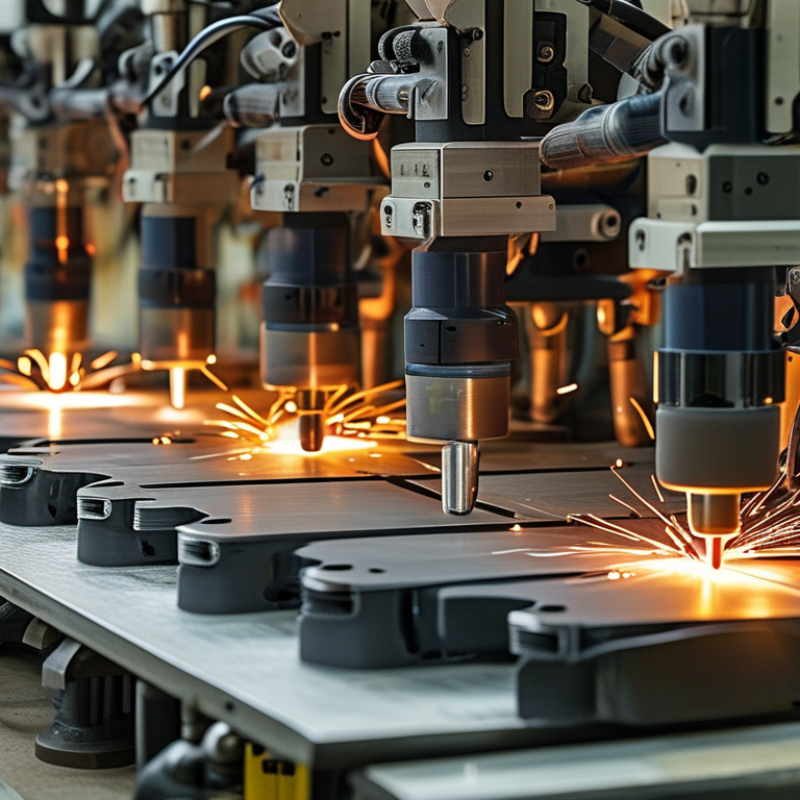
Top Features to Consider When Choosing Ultrasonic Welders for Wire
When selecting ultrasonic welders for wire, several crucial features demand attention. The frequency used in ultrasonic welding significantly impacts weld quality. Most industrial applications utilize frequencies from 20 kHz to 70 kHz. Higher frequencies often yield finer welds, suitable for delicate or small components. The choice can affect production speed and the strength of the joints formed.
Another essential feature is the weld strength and consistency. Studies indicate that ultrasonic welding can achieve joint strengths exceeding 90% of the base material strength. Thus, choosing a welder with robust and repeatable performance is vital. The welder's control systems also play a role. Fine-tuning parameters like pressure and amplitude can enhance the reliability of the welds produced.
Durability is a common concern in the industry. Ultrasonic welders experience wear over time, leading to potential inefficiencies. Regular maintenance and upgrades, though often overlooked, are necessary to ensure machines operate at peak performance. Investing in models that offer easy maintenance can save costs long-term. Understanding these features helps guide the selection of an ultrasonic welder tailored for specific applications in the industry.
Overview of Ultrasonic Welding Technology and Its Applications
Ultrasonic welding is a unique joining process that uses high-frequency vibrations. These vibrations generate heat, allowing materials to bond at the molecular level. This method is particularly effective for joining thermoplastics and metals, making it invaluable in various industries. The precision of ultrasonic welding minimizes material waste and offers strong, reliable joints.
In practice, ultrasonic welders can improve production efficiency significantly. Operators can achieve consistent results while reducing cycle times. However, mastering this technology can present challenges. Factors like material thickness and surface contamination may affect weld quality. Thus, proper training and understanding of the equipment are crucial for optimal results.
Notably, ultrasonic welding has applications in medical devices, automotive components, and electronics manufacturing. Each application requires specific considerations regarding materials and process parameters. More research and development are needed to fully explore its potential benefits across industries. Invest time in understanding how this technology can enhance your production processes, as knowledge is key to effective implementation.
Comparison of Top Brands in Ultrasonic Welding Equipment
Ultrasonic welding is an essential process in many industries. It effectively joins materials using high-frequency sound waves. Understanding the different brands available in ultrasonic welding equipment is crucial for making informed choices. Each brand offers unique features and capabilities, creating a diverse marketplace.
When comparing top brands, consider their design, performance, and user feedback. Some models are praised for their precision and efficiency. Others might lack in durability or have complicated controls. It's vital to assess these aspects before purchasing. Reading reviews can illuminate potential pitfalls. Users often highlight the learning curve of certain machines, which can impact productivity.
The price range of ultrasonic welders varies significantly. More expensive models may have superior tech but not always offer better results. Similarly, low-cost options can be reliable yet might require more maintenance. Evaluating long-term value, rather than just upfront costs, is a necessary reflection. Overall, knowing what each brand provides will lead to better decision-making in selecting the right ultrasonic welder for specific needs.
Performance Metrics: Speed, Efficiency, and Quality in Wire Welding
When evaluating ultrasonic welders for wire applications, performance metrics play a crucial role. Speed directly impacts production timelines. Industry reports indicate that advanced ultrasonic welders can achieve speeds up to 2,000 welds per hour. This efficiency significantly enhances throughput, making it vital for manufacturers aiming for competitive advantage.
Efficiency is another critical metric. The best ultrasonic welders exhibit energy efficiency rates exceeding 85%. This reduces operational costs and environmental impact. For example, lower power consumption leads to smaller carbon footprints. However, it’s essential to periodically review the machine's performance, as wear and tear can affect these rates over time.
Quality should not be overlooked. High-quality welds are crucial for structural integrity, especially in applications like automotive wiring. Data from industry studies reveal that ultrasonic welds exhibit tensile strengths averaging 30% higher than those created by traditional methods. Despite these figures, inconsistencies can occur with improper settings or inadequate training. Regular maintenance and operator training are key to minimizing such issues.
Top 5 Ultrasonic Welders for Wire You Need to Know
| Model |
Speed (Welds/min) |
Efficiency (%) |
Quality Rating (out of 10) |
| Model A |
120 |
95 |
9.5 |
| Model B |
140 |
90 |
9.0 |
| Model C |
100 |
85 |
8.5 |
| Model D |
160 |
92 |
9.2 |
| Model E |
130 |
88 |
8.8 |
Cost Analysis and ROI of Ultrasonic Welders for Wire Applications
When considering the investment in ultrasonic welders for wire applications, a cost analysis is essential. These machines can represent a significant capital expenditure. However, understanding the long-term return on investment (ROI) can provide clarity. Ultrasonic welders often improve production efficiency. This increase in productivity can offset initial costs.
Tips for calculating ROI:
- Track the initial costs, including installation and training.
- Estimate the reduction in labor costs and cycle time.
- Factor in improved product quality and fewer defects.
In addition to cost, reliability is critical. A welder's performance directly affects production output. Downtime can lead to losses. Therefore, investing in well-reviewed equipment may yield better results. Partner with experts for thorough assessments. They can provide insights on effective applications, ensuring the machine fits your needs.
Consider potential challenges. Not every wire type is suitable for ultrasonic welding. Evaluate your materials and processes closely. If issues arise, it may indicate a need for process adjustments. Reliability in machinery is paramount, yet it should be balanced with the flexibility of operation.