Why Choose an Ultrasonic Welder For Sale Today?
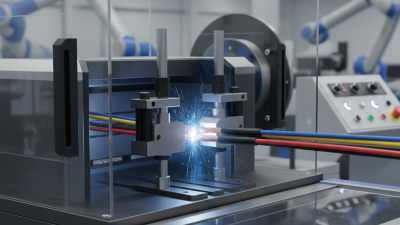
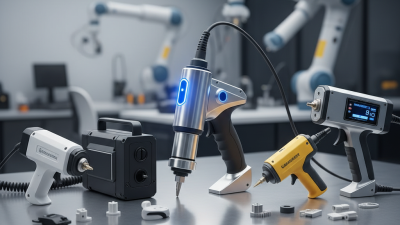
When considering advanced manufacturing tools, many experts recommend investing in an Ultrasonic Welder For Sale. This equipment has gained recognition for its efficiency. It offers precision welding solutions, especially for intricate designs. The market is filled with options, making it essential to choose wisely.
Ultrasonic welding is fast, reducing production times. Many industries, including automotive and electronics, rely on this technology for successful assembly. High-frequency vibrations create strong bonds without heat. This minimizes damage to delicate components. However, finding the right model requires research. Not all ultrasonic welders deliver the same results.
Quality is paramount. A poorly chosen welder can lead to production issues. Businesses should assess their needs thoroughly. Investing in an Ultrasonic Welder For Sale is not just about price. It's about finding a reliable, effective tool for your specific applications. Reflection on past choices can lead to better outcomes.
Benefits of Ultrasonic Welding Technology in Modern Manufacturing
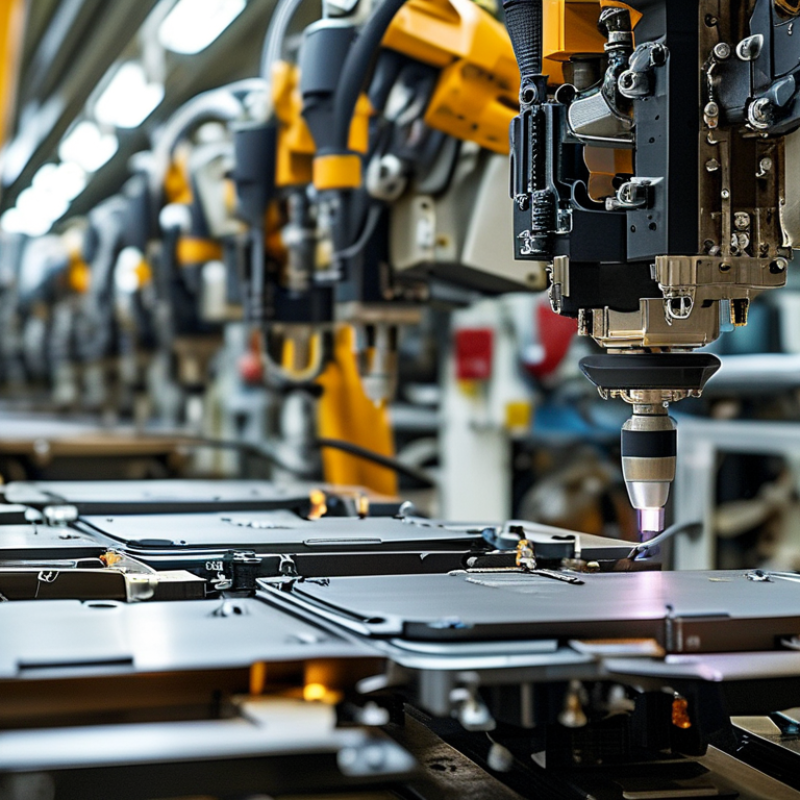
Ultrasonic welding technology offers significant advantages in modern manufacturing. This process uses high-frequency sound waves to join materials. It is especially effective for plastics and thin metals. The result is strong, reliable bonds that do not require additional adhesives. Manufacturers value this for its speed and efficiency.
One major benefit is reduced production time. Traditional welding methods often take longer and require extra steps. Ultrasonic welding minimizes these steps, leading to faster output. This technology also produces less waste, as it utilizes only the necessary material. However, not all materials are suitable, which can limit its application in certain industries.
Another key aspect is the precision of ultrasonic welding. This method allows for precise control over the joining process. It often results in cleaner joints with minimal thermal damage. Nevertheless, there can be learning curves for new operators. Effective training is essential to maximize the technology's potential. Overall, ultrasonic welding stands out as a reliable and efficient method in contemporary manufacturing environments.
Why Choose an Ultrasonic Welder For Sale Today? - Benefits of Ultrasonic Welding Technology in Modern Manufacturing
| Feature |
Description |
Benefits |
| Speed |
Ultrasonic welding operates at high speeds, allowing for quick assembly of products. |
Increases production efficiency and reduces manufacturing time. |
| Quality |
Creates strong and consistent welds with minimal defects. |
Enhances product reliability and customer satisfaction. |
| Versatility |
Suitable for a variety of materials, including plastics and metals. |
Allows for diverse manufacturing applications across industries. |
| Cost-Effectiveness |
Reduces material waste and energy consumption during the welding process. |
Lowers overall production costs. |
| Automation |
Easily integrates into automated production lines. |
Improves operational efficiency and reduces labor costs. |
Key Features to Look for in an Ultrasonic Welder for Sale
When selecting an ultrasonic welder for sale, key features should guide your choice. One important aspect is the power output. Look for welders with adjustable power settings. This flexibility allows you to work with various materials. It helps in achieving strong welds without damaging delicate parts.
Another feature to consider is the frequency range. Different materials require different ultrasonic frequencies for optimal results. Choose a welder that covers a broad frequency spectrum. This ensures versatility in your applications. Additionally, pay attention to the machine's overall build quality. Durable construction leads to reliability and longer service life.
Tips: Check user reviews and expert recommendations. Real-world feedback can provide insight into a welder's performance and reliability. Also, assess warranty options. A comprehensive warranty reflects the manufacturer's confidence in their product. Take time to evaluate these features. Some welders may appear appealing but may fall short in practical use. Make informed choices.
Ultrasonic Welder Features Comparison
Comparative Analysis: Ultrasonic vs. Traditional Welding Methods
Ultrasonic welding offers distinct advantages over traditional methods. This modern technique uses high-frequency ultrasonic vibrations to join materials. According to a recent report by the International Journal of Adhesive Bonding, ultrasonic welding can reduce cycle times by up to 80%. This efficiency is crucial in industries where production speed is essential.
Comparative studies indicate that traditional welding methods often require higher energy inputs. While traditional methods can heat materials evenly, they may also risk thermal damage. In contrast, ultrasonic welding operates at lower temperatures, minimizing material deformation. The result is a more reliable and consistent bond.
Moreover, the precision of ultrasonic welding allows for intricate designs. A report from the American Welding Society notes that 70% of manufacturers prefer it for assembling delicate components. However, not all materials are suitable for ultrasonic welding. Certain metals and thicker plastics may not bond as effectively. Understanding these limitations is key to maximizing the benefits of ultrasonic technology.
Cost-Effectiveness and Efficiency of Ultrasonic Welders
Ultrasonic welders offer unique advantages in various manufacturing applications. Their cost-effectiveness and efficiency can significantly enhance production processes. These machines utilize high-frequency sound waves to join materials, which reduces processing time and energy consumption. The precision of ultrasonic welding minimizes waste, allowing companies to maximize their material use.
When considering purchasing an ultrasonic welder, reflect on your production needs. Assess the types of materials you'll be working with. Some materials respond better to ultrasonic welding, while others may not achieve the desired results. This evaluation helps ensure that you invest in the right technology for your specific requirements.
Tips for maximizing efficiency with ultrasonic welders include maintaining regular equipment upkeep. Clean and test welders frequently to ensure consistent performance. Additionally,
train operators thoroughly. Skilled operators can significantly increase the overall effectiveness of ultrasonic welding processes, reducing errors and improving output quality. Always document your processes for ongoing improvement.
Applications of Ultrasonic Welders Across Various Industries
Ultrasonic welders have become essential across various industries due to their efficiency and precision. In the automotive sector, these machines join thermoplastics seamlessly. This ensures strong bonds that can withstand extreme conditions. For instance, ultrasonic welding is crucial for manufacturing fuel tanks and interior components.
Moreover, the medical field heavily relies on ultrasonic welding technology. It is used to produce medical devices and packaging that meet strict hygiene standards. In addition, the food industry benefits from these welders to produce sealed products. The ability to join materials without adding adhesives enhances food safety.
Recycling and sustainability practices also utilize ultrasonic welding. These machines help create environmentally friendly products by joining recycled plastics. However, challenges like material compatibility can arise. Adjusting parameters for different materials demands expertise and experience. Without proper knowledge, the process may produce weak joints. Understanding these nuances is vital for successful applications in any industry.