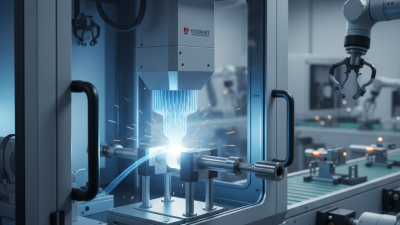
Choosing a China top Ultrasonic Cable Welder manufacturer requires more than comparing prices or catalog photographs. Cable assembly quality depends on stable vibration, controlled pressure, accurate energy settings, and repeatable production methods. A reliable supplier should explain these details clearly.
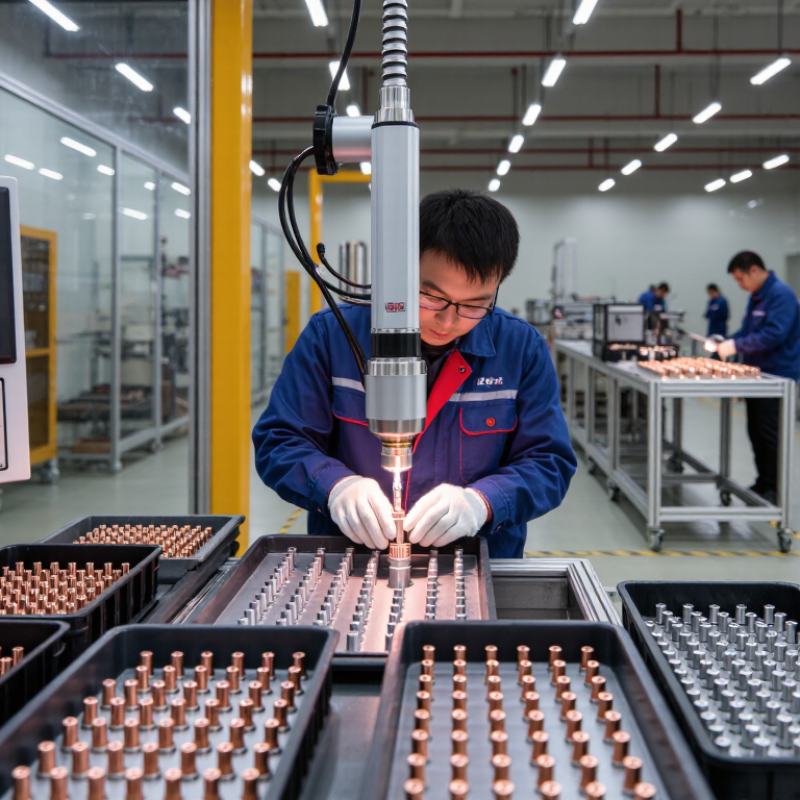
In real factory use, operators may weld copper strands inside a compact terminal within seconds. The joint should appear clean, firm, and consistent. Experienced manufacturers usually provide welding samples, process parameters, equipment demonstrations, and inspection records. Ask how the machine manages amplitude, weld time, clamping force, and cable positioning. Small differences matter.
Look for evidence, not impressive claims.
A professional supplier should support trial production, preventive maintenance, spare parts, training, and responsive technical communication. Factory experience also matters. Years in business can be useful, but documented projects and customer feedback offer stronger evidence. Certifications and quality systems should be verified against the intended market and application.
Still, no manufacturer fits every production line. A machine designed for automotive cable harnesses may not suit battery tabs or large cross-section conductors. This is where many buyers misjudge the purchase. The lowest quotation may exclude tooling, installation, testing, or future service.
A careful comparison should examine welding results, cycle stability, operator safety, delivery capability, and total ownership cost. Visiting a factory or arranging a witnessed test can reveal practical weaknesses. The best China Ultrasonic Cable Welder manufacturer is not simply the largest supplier. It is the partner that proves performance, communicates limitations, and improves the process when conditions change. Reliability must be demonstrated over time.
China Top Ultrasonic Cable Welder Manufacturer?
What Is an Ultrasonic Cable Welder?
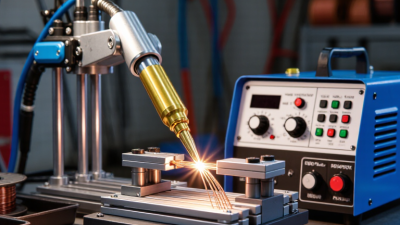
An ultrasonic cable welder joins metal conductors through high-frequency mechanical vibration. It usually needs no solder, open flame, or added chemical material. A transducer creates vibration, while a tool applies controlled pressure to the cable ends. This movement removes surface films and forms a solid metal bond. The process commonly suits copper, aluminum, and selected coated conductors. It can create compact joints for harnesses, battery connections, and power cables.
In practical production, joint quality depends on amplitude, pressure, vibration time, and material condition. Clean, correctly stripped conductors usually produce more stable results. Operators should inspect pull strength, electrical resistance, and weld appearance during setup. A crushed cable or uneven weld may indicate incorrect tooling, not poor metal. Results are not always perfect. Even experienced technicians may need several trials when cable sizes change. I have found that monitoring real samples is more useful than trusting settings alone.
Tips: Keep conductor lengths consistent before welding. Check the horn and anvil for wear each shift. Record successful parameters for each cable design. Avoid excessive pressure, which can damage fine strands. Review failed joints carefully; small marks often reveal alignment problems. Test finished samples under realistic operating conditions, including heat and vibration, before regular production.
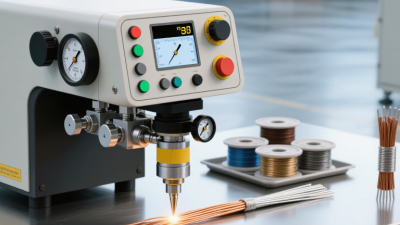
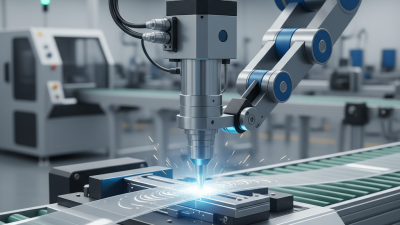
Ultrasonic cable welding joins copper or aluminum conductors through high-frequency mechanical vibration. The cables sit between an anvil and a vibrating sonotrode. Pressure holds the strands together. Vibration breaks oxide films and creates localized heat through surface friction. The metals bond without melting the entire cable. This solid-state process can reduce insulation damage and produce compact electrical joints.
Industrial systems commonly operate near 20–40 kHz. Operators control amplitude, weld force, time, and energy. Cable size also matters. ISO 18595 provides technical guidance for ultrasonic welding equipment and processes.
The International Energy Agency’s Global EV Outlook 2025 reported more than 17 million electric cars sold globally in 2024. That growth increases demand for reliable battery and harness connections.
Still, higher production volume does not guarantee better welds. A joint may look smooth but show weak pull strength internally. That assumption is risky.
Tips:
Clean cable surfaces before welding. Keep strand length consistent. Check electrical resistance and pull force during quality testing. Watch for excessive flash, strand spreading, or tool marks. Record every parameter change. Small changes can alter the bond. In practice, technicians often adjust settings after reviewing failed samples. That is not ideal, but real cable variation makes fixed recipes imperfect. Evaluate cross-sections periodically, especially when changing conductor material or diameter.
A leading Chinese ultrasonic cable welder manufacturer should offer more than competitive pricing. A 2024 ultrasonic welding market report projects approximately 8% annual growth through 2030. This demand requires stronger engineering and process control. Reliable suppliers should provide adjustable frequency, welding pressure, amplitude, energy, and cycle time. Common systems operate at 20, 30, or 40 kHz. These settings help handle copper, aluminum, and mixed cable assemblies. Custom horns should match cable size and insulation geometry. Poor tooling can leave visible marks or weak joints.
Quality evidence matters more than polished factory photos. A capable manufacturer should provide material certificates, weld-force records, sample data, and full production traceability. IPC/WHMA-A-620 offers useful acceptance criteria for cable and wire assemblies. Suppliers familiar with this standard can inspect pull strength, alignment, insulation damage, and conductor appearance. Independent testing should confirm repeatability across multiple batches. No factory is perfect. Even experienced teams may need several tooling revisions before reaching stable results. That honest engineering process is a positive sign, not a weakness.
Tips: Request ten to twenty sample welds, not one demonstration. Check pull strength after thermal cycling. Ask for horn-life estimates and replacement costs. Review the control interface personally. A low quote may hide limited data support, slow spare-part service, or inconsistent operator training. Choose a manufacturer that explains these risks clearly and documents every correction.
| Evaluation Dimension | Typical Technical Data or Capability | Why It Matters | Recommended Verification Point |
|---|---|---|---|
| Welding Technology | High-frequency mechanical vibration creates a solid-state bond without solder, flux, or external heating. | Helps reduce oxidation, consumables, and thermal damage to cable insulation. | Request sample welds and cross-sectional inspection results for the target cable construction. |
| Operating Frequency | Common ultrasonic welding systems operate at approximately 20, 30, 35, or 40 kHz, depending on the application. | Frequency affects tooling design, acoustic performance, welding force, and application suitability. | Confirm the frequency, transducer design, generator compatibility, and intended cable range. |
| Compatible Materials | Primarily copper and aluminum conductors, including stranded wire and cable assemblies designed for ultrasonic bonding. | Material compatibility directly influences electrical resistance, pull strength, and weld consistency. | Test the exact conductor alloy, strand structure, cross-sectional area, and surface condition. |
| Typical Weld Cycle | The vibration portion of many cable-welding cycles is commonly measured in fractions of a second to a few seconds, depending on cable size and process settings. | Short cycle times support high-throughput wire-harness and battery-cable production. | Evaluate complete cycle time, including loading, clamping, welding, inspection, and unloading. |
| Process Control | Digital control may monitor weld time, energy, power, amplitude, pressure, displacement, and end-of-weld conditions. | Process monitoring improves repeatability and helps identify defective welds before assembly. | Check whether the machine supports recipe storage, alarm history, parameter locking, and data export. |
| Tooling and Fixtures | Application-specific sonotrodes, anvils, nests, and cable-positioning fixtures are normally required. | Correct tooling controls cable positioning, energy transfer, weld geometry, and conductor deformation. | Confirm tooling material, expected service life, replaceable parts, and availability of engineering drawings. |
| Electrical Performance | A properly formed weld should provide low and stable electrical resistance compared with the unwelded conductor path. | Low resistance reduces voltage drop and heat generation in power and signal applications. | Define resistance limits and test methods according to the cable assembly specification. |
| Mechanical Strength | Pull-force requirements vary with conductor size, material, strand count, and end-use standards. | Mechanical testing verifies that the welded joint can withstand installation and service loads. | Request pull-test data based on the actual cable design rather than relying on a general machine rating. |
| Production Flexibility | Suitable systems can support multiple cable sizes through interchangeable tooling and stored process recipes. | Improves equipment utilization when production includes different cable assemblies. | Review changeover time, tooling cost, recipe management, and operator training requirements. |
| Safety and Compliance | A complete system should include guarding, emergency stop functions, electrical protection, and documented operating procedures. | Proper safeguards reduce operator risk and support installation in regulated production environments. | Request applicable conformity documents, risk-assessment records, manuals, and electrical schematics. |
| Quality Management | A qualified manufacturer should maintain documented inspection, calibration, traceability, and corrective-action procedures; ISO 9001 certification is a common qualification to verify. | Documented controls improve consistency from incoming components through final equipment testing. | Check certificate validity, calibration records, factory-acceptance procedures, and quality documentation. |
| After-Sales Support | Useful support normally includes installation guidance, remote troubleshooting, spare-part supply, tooling maintenance, and operator training. | Fast technical support reduces downtime and helps maintain stable weld quality. | Clarify response time, spare-part availability, warranty terms, service coverage, and training format. |
| Best-Fit Applications | Common applications include wire harnesses, battery cables, electric-vehicle cable assemblies, power distribution joints, and selected automotive or industrial conductors. | Application experience helps the manufacturer select suitable welding parameters and tooling. | Ask for anonymized application references, sample results, and process-validation documentation. |
Note: Actual welding capacity, cycle time, conductor range, and test results depend on the cable material, cross-sectional area, strand configuration, tooling, and process parameters.
Ultrasonic cable welding equipment joins copper or aluminum conductors without solder, flux, or added heat. It is widely used for automotive wire harnesses, battery connections, appliance wiring, and industrial control cabinets. The process creates compact welds with low electrical resistance. It also preserves nearby insulation when correctly adjusted.
In practical production, operators use ultrasonic welders for grounding straps, terminal splices, busbar connections, and multi-wire joints. A stable clamp holds the cable bundle while vibration bonds the metal surfaces. Weld quality depends on wire size, material, pressure, energy, and surface condition. Small changes can affect pull strength. That detail is easy to underestimate. Regular cross-section checks and pull tests improve reliability. Still, not every cable is suitable. Very brittle strands, contaminated surfaces, or inconsistent bundles may require another joining method.
Tips: Match the welding tool to the conductor range. Keep wire ends clean and evenly aligned. Record weld energy and pressure during trials. Inspect the joint visually, then verify electrical resistance and mechanical strength. A useful improvement is testing samples after aging, not only immediately after welding. Results can change with vibration, heat, and repeated bending. Good equipment helps, but trained operators and documented settings matter just as much.
China Top Ultrasonic Cable Welder Manufacturer?
How to Evaluate and Select a Reliable Supplier
Choosing a reliable ultrasonic cable welder supplier requires more than comparing prices. In practical sourcing, inspect the supplier’s engineering experience, production controls, and testing procedures. Ask how the machine handles different cable materials, sizes, and terminal designs. A capable supplier should provide welding samples, strength results, and clear operating parameters. Request details about transducer life, horn maintenance, cycle time, and electrical safety. Factory photos are useful, but an online or in-person audit offers stronger evidence.
Tips: Send your actual cable samples. Test them before ordering. Check weld consistency across repeated cycles. Review calibration records and incoming material inspections. Confirm spare-part availability and remote technical support. Ask for references from similar industrial applications, while verifying those claims independently.
Do not judge quality from polished brochures alone. Watch a live demonstration and examine the weld area under magnification. Weak bonding, exposed strands, or irregular marks may appear after several cycles. A dependable supplier records machine settings and traces critical components. The quotation should clearly state acceptance standards, delivery scope, training, warranty coverage, and response times. Be cautious when every answer sounds perfect. Real equipment has limits, and honest engineers explain them. My own evaluation would include a pilot run, because laboratory results may not reflect your production floor. This extra step can reveal alignment issues, operator difficulties, or unexpected cable variation before full investment.
Recommended evaluation weights for comparing ultrasonic cable welder suppliers. The framework focuses on measurable procurement factors rather than company or brand names.
Prioritize welding quality and process capability, then verify compliance documentation, engineering support, delivery capacity, total cost, and after-sales service. Buyers should confirm each score through sample weld tests, inspection records, technical documents, references, and written service terms.