Leave Your Message
A China Top 10 DIY Ultrasonic Welder Manufacturers guide can help makers and small workshops compare suppliers before investing in equipment. A DIY Ultrasonic Welder is not simply a power unit with a button; reliable plastic joining depends on the generator, transducer, horn, fixture, and control settings working together. A neat seam can hide a weak bond. Testing matters.
The manufacturers in a useful shortlist should be assessed by more than catalogue photos or headline prices. Check whether each supplier provides clear technical specifications, application guidance, sample testing, replacement-part availability, and responsive after-sales support. Ask what materials and part shapes the machine can handle, and request details on operating frequency, output control, and recommended horn design. These details affect whether a unit suits a small repair bench or a repeatable production task.
Evidence is more useful than confident sales language. Request a sample weld on parts similar to your own, then inspect the joint and repeat the test under consistent conditions. Confirm who actually builds the machine, what is included in the quoted package, and how warranty service works. A supplier may present itself as a manufacturer, but that claim deserves verification. The comparison should therefore be treated as a starting point, not a final verdict. Even careful research has limits; real performance depends on the material, part design, and operator. Check the fit before buying.
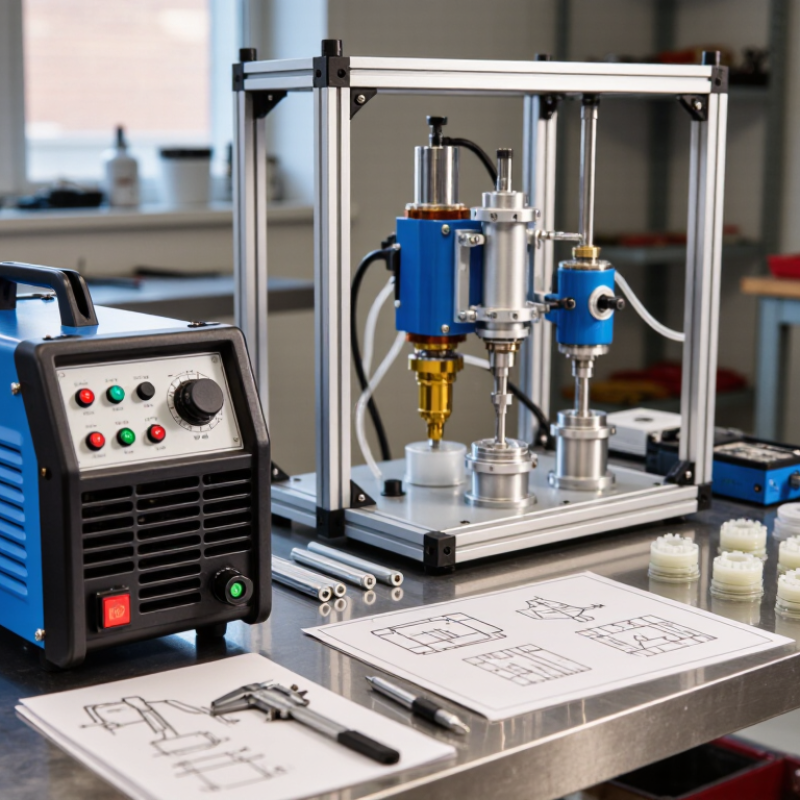
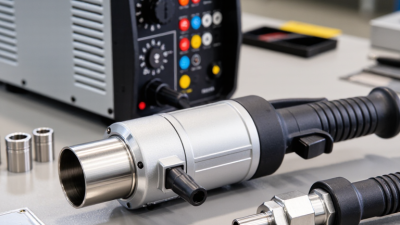
DIY ultrasonic welding joins compatible thermoplastics without screws or liquid adhesive. A generator sends high-frequency electrical energy to a converter, which turns it into mechanical vibration. A booster may adjust the vibration, while a shaped horn presses it into the workpiece. At the joint, vibration and pressure create localized heat that softens the plastic surfaces. The parts fuse as the material cools under pressure. No glue is involved.
A practical setup needs a stable frame, a suitable horn, and a fixture that supports the parts evenly. Align the joint carefully, then use consistent pressure and a short, controlled weld cycle. Material choice matters: plastics that look alike may not bond well together. Start with scrap pieces and inspect the seam for gaps, flash, or weak spots. Small details matter. Too much energy can deform thin walls; too little can leave a joint that separates easily. Keep hands clear of moving parts and use enclosed, properly rated equipment. If results vary from one sample to the next, I would question the fixture or alignment before changing several settings at once.
| Topic | Practical Information | How It Relates to DIY Welding |
|---|---|---|
| What ultrasonic welding is | A joining process that uses high-frequency mechanical vibration and pressure to create a bond. For thermoplastics, vibration generates heat at the joint interface, softening or melting the material locally. | It is a process for joining compatible parts, not a general-purpose adhesive or a way to weld every type of plastic. |
| Typical equipment components | A generator, transducer, booster, horn (also called a sonotrode), and a fixture or support for the workpiece are common parts of a plastic ultrasonic welding system. | The parts must be matched to the operating frequency, application, and workpiece geometry. |
| Common operating frequencies | Plastic welding equipment commonly operates at frequencies such as 20, 30, 35, or 40 kHz. The appropriate frequency depends on the machine and application. | A horn designed for one frequency should not be assumed to work safely or effectively with a system tuned for another. |
| Suitable materials | The process is generally most suitable for compatible thermoplastics. Similar polymers are usually easier to join than dissimilar materials; additives, fillers, part design, and material grade can affect results. | Check the resin identification and test the actual material combination rather than relying on appearance alone. |
| Joint design | A designed joint, such as an energy director or a shear joint, helps concentrate vibration and heat where the parts are intended to bond. | Flat, poorly supported edges may produce inconsistent or weak welds, even when the machine is operating correctly. |
| Basic process sequence | Place the parts in a fixture, apply clamping pressure, deliver ultrasonic vibration for a controlled interval or energy target, then maintain pressure while the joint cools and solidifies. | Consistent positioning and clamping help make repeatable joints; follow the equipment maker’s operating instructions. |
| Main process settings | Important variables include vibration amplitude, applied force, weld time or energy, and hold time. Suitable settings vary with material, part dimensions, joint design, and equipment. | There is no universal setting that guarantees a strong weld; use controlled trials and inspect the results. |
| Common signs of a poor weld | Possible issues include incomplete bonding, excessive flash, surface marking, part deformation, or cracking. Causes can include unsuitable materials, poor alignment, incorrect settings, or an unsuitable joint. | Check the part and joint design as well as the settings; changing weld time alone may not resolve the cause. |
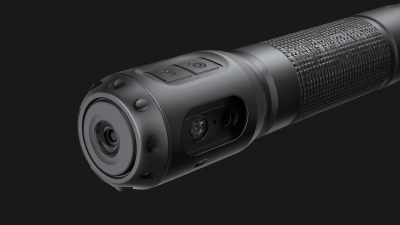
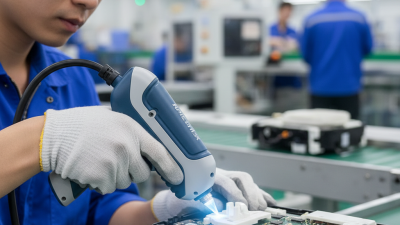
| DIY setup considerations | A practical setup needs a stable fixture, compatible tooling, repeatable clamping, and access to the machine’s specified controls. Handheld hobby tools and production welding systems may have very different capabilities. | Confirm the intended materials, part size, duty cycle, and safety features before selecting equipment. |
| Safety and verification | Use guards and appropriate eye and hearing protection where required, keep hands clear of the horn and fixture during operation, and follow electrical and maintenance instructions. Verify joint strength using a suitable test for the application. | A visually neat joint is not, by itself, proof of adequate strength or leak tightness. |