Top 10 Green Ultrasonic Welders for Global Buyers
Manufacturers are rethinking how products are joined, not just what materials they use. The International Energy Agency’s Tracking Industry 2023 report estimates that industry consumed about 37% of global energy in 2022 and produced roughly 24% of energy-related CO₂ emissions. The IEA’s Global Energy Review 2024 reports that energy-related CO₂ emissions reached 37.4 billion tonnes in 2023. These figures make equipment efficiency worth examining, though they do not measure the impact of ultrasonic welding alone.
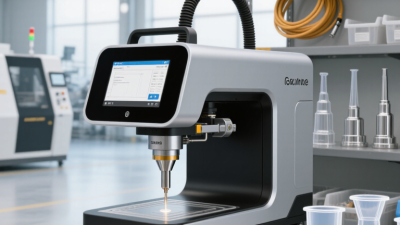
A Green Ultrasonic Welder can join compatible thermoplastics through high-frequency vibration, often without adhesives or a separate heating element. In production, the details matter: cycle time, power consumption, horn design, reject rates, and access to replacement parts. A fast cycle is useful. But it does not automatically mean lower total environmental impact. Results depend on the application, electricity source, maintenance, and product lifetime.
This Top 10 guide compares models for global buyers using practical criteria, including weld consistency, controls, service support, and energy-related specifications. Published figures are not always measured under identical conditions. That makes direct comparisons imperfect. Buyers should request application-specific trials and verify performance data before purchase. A machine’s “green” label is only a starting point. The best choice is the one that delivers reliable joints, limits avoidable scrap, and fits the factory’s real operating conditions.
How Green Ultrasonic Welding Works and Where It Is Used
Top 10 Green Ultrasonic Welders for Global Buyers
How Green Ultrasonic Welding Works and Where It Is Used
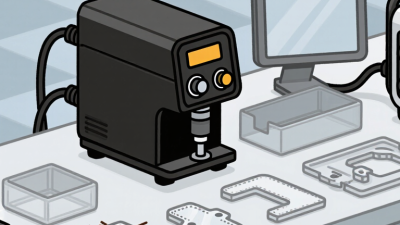
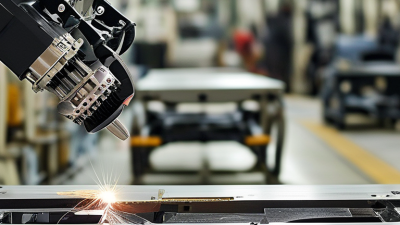
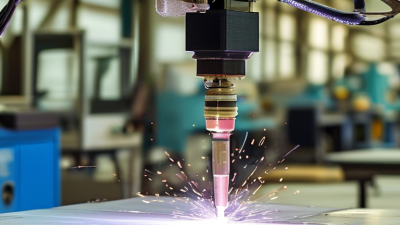
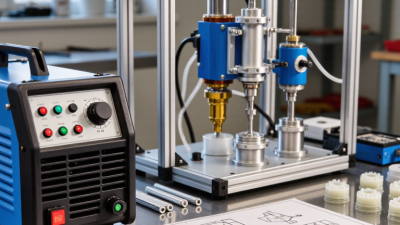
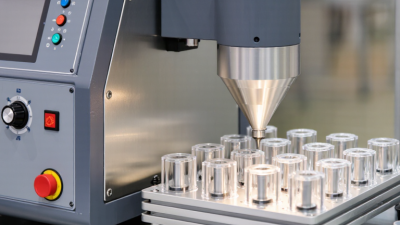
Ultrasonic welding joins compatible thermoplastic parts using rapid mechanical vibrations and steady pressure. A generator sends high-frequency energy to a metal tool, or horn, which transfers vibration into the joint. Friction and material deformation create localized heat, softening the plastic so the pieces bond as they cool. The cycle often takes seconds. No flame. No added adhesive. That can reduce consumables and avoid heating an entire assembly, though actual energy use depends on equipment, part design, and production settings.
The process is common in medical-device housings, vehicle interiors, small appliances, and packaging components. For example, it can join two molded plastic shells around internal electronics without screws. It works best when materials and joint geometry are designed for vibration transfer. Thick, uneven parts or incompatible plastics can produce weak seams. “Green” is not automatic: rejected parts, compressed-air demand, and machine standby power matter too. I have seen teams focus on cycle time and overlook scrap rates. That is an easy mistake.
Tips: Test sample parts before scaling production. Check weld strength, appearance, and repeatability across material batches. Keep the horn clean and inspect fixtures for wear. A fast weld is useful, but a consistent one matters more.
Key Criteria for Evaluating Ultrasonic Welders
A green ultrasonic welder should be judged by measured performance, not a sustainability label alone. Check energy use per completed weld, including standby consumption during pauses. Ask for test conditions and sample data. Numbers matter. A machine may use little power but produce inconsistent joints, creating scrap and repeat work.
Match the generator’s frequency and power range to the parts, materials, and production rate. Review weld strength, cycle time, and process repeatability using representative samples. Small changes in joint design can affect results. Keep that in mind. Clear controls, stored settings, and useful fault alerts can help operators avoid unnecessary test cycles.
Look beyond the purchase price. Consider replaceable components, maintenance access, tooling availability, and the machine’s expected service life. Ask whether key parts can be repaired rather than replaced as a whole. Request documentation for energy use, maintenance intervals, and operating limits. Claims can be hard to compare when suppliers use different test methods. A factory trial is worthwhile, though it takes time. Include noise, operator training, and safe access in the evaluation; efficiency should not come at the cost of reliable, practical operation.
Top 10 Green Ultrasonic Welders for Global Buyers
Key Criteria for Evaluating Ultrasonic Welders
This illustrative 100-point buyer scorecard highlights practical evaluation criteria, including energy use, weld quality, material compatibility, and serviceability. The point allocations are planning weights—not measured product ratings or market statistics. Compare supplier data under equivalent operating conditions.
Ten Green Ultrasonic Welders for Global Buyers
Ten green ultrasonic welders for global buyers should be compared by measured energy use, weld consistency, and service life—not appearance alone. The International Energy Agency’s Energy Efficiency 2023 report estimates that industry uses about 37% of global energy. That makes efficient production equipment worth examining, though a machine’s actual footprint depends on its workload and electricity source.
For each welder, request power readings during welding, idle time, and warm-up. Check whether amplitude and pressure controls can be adjusted for the specific plastic and joint design. A correctly tuned horn can limit weak seams and avoid repeat cycles; a poorly matched setup may waste energy and parts. Ask for cycle-time records and sample weld tests using your own materials. Small details matter.
Look for durable transducers, replaceable tooling, accessible maintenance points, and clear service documentation. These features can extend useful life and reduce premature replacement, but buyers should confirm parts availability in their region. Also compare standby consumption: short pauses add up across a busy shift. A quieter machine is not automatically a greener one. That matters. Claims of “energy savings” need a stated baseline, test conditions, and measurable results. No single model fits every factory, and a careful trial may reveal inconvenient trade-offs.
Comparing Performance, Efficiency, and Operating Costs
Comparing the top ten green ultrasonic welders means looking beyond advertised wattage. Real performance depends on material, joint design, horn condition, and setup consistency. Test identical parts at the same amplitude and pressure, then record weld time, strength, and reject rate. Small differences matter. A cycle that saves 0.2 seconds may raise output, but only if bond quality remains consistent. Request sample trials using your own components; catalog figures alone rarely predict a stable production line.
Efficiency also includes idle power, compressed-air demand, cooling needs, and energy per accepted part—not just rated input. Track kilowatt-hours over a representative shift, including warm-up and changeovers. Operating costs should cover tooling, maintenance, training, and downtime when a horn needs replacement. A lower purchase price can become expensive if settings drift or service is slow. Comparisons can be imperfect: suppliers may test under different loads, while factories often run mixed batches. Compare like with like. For global buyers, check voltage options, spare-part availability, clear documentation, and remote support in the destination region.
Choosing a Welder for Regional Standards and Production Needs
Choosing a green ultrasonic welder starts with the factory, not the catalogue. Check local voltage, frequency, plug type, and available power before comparing models. A machine rated for one supply may need approved configuration for another. Ask for the electrical documentation and confirm it matches the destination site. Regional conformity marks and required safety documents also vary, so verify them with a qualified local specialist.
Production needs matter just as much. Test the actual resin, part geometry, and joint design; small changes can affect weld strength and cycle time. Request sample welds and inspect them under realistic conditions, including repeated cycles. Compare measured energy use per acceptable part, not just advertised power. A neat specification sheet is not the whole story. Maintenance access, spare-part availability, and operator training can shape performance over time.
Tips: Bring a sample part, target output, and utility details to supplier discussions. Ask how energy figures were measured, and keep the test conditions. Leave room for doubt: a promising trial may not reflect a full production shift.